
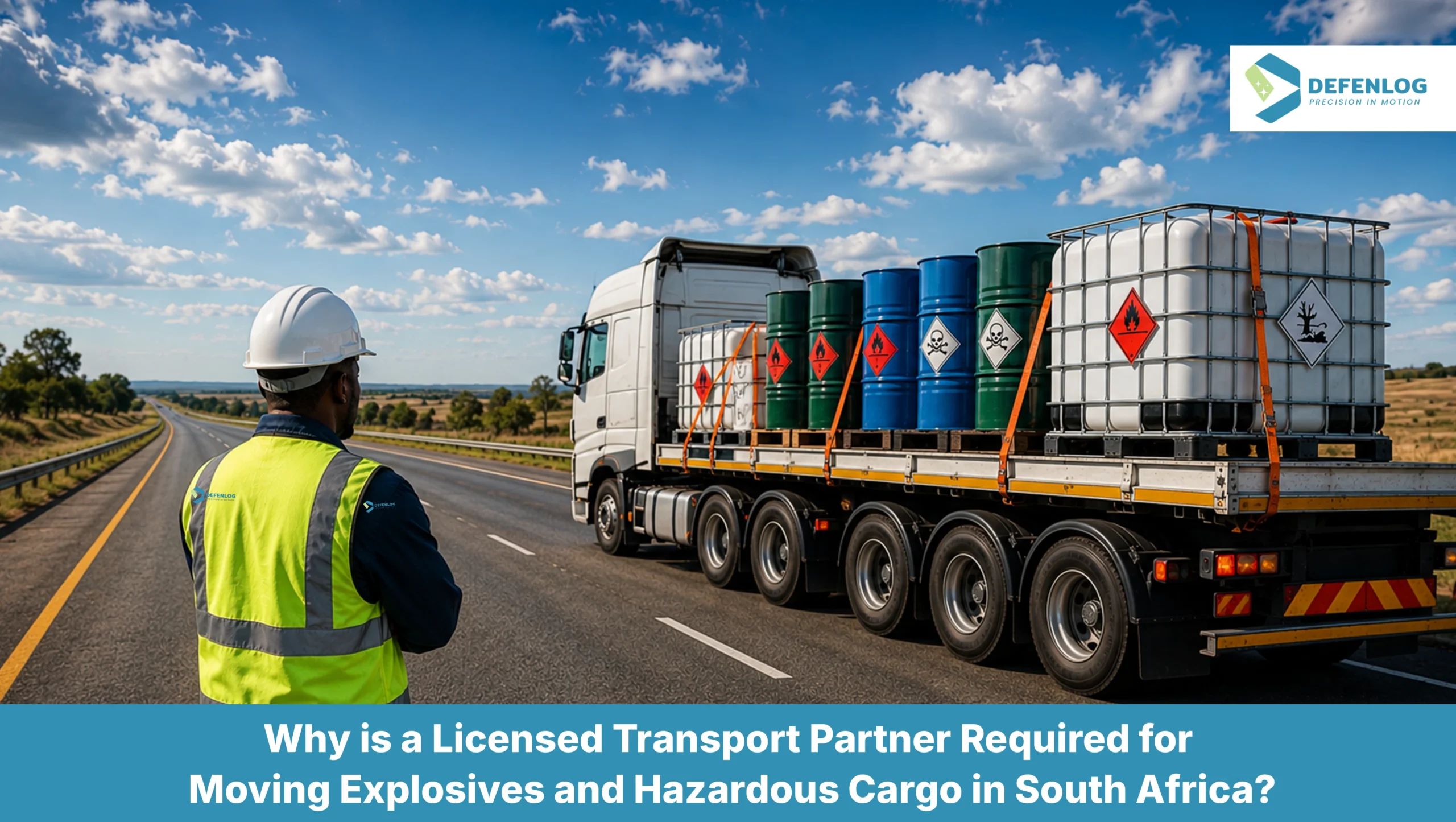
Transporting explosives and hazardous cargo is not like moving everyday freight. Every shipment requires careful planning, strict safety measures, and experienced professionals who understand the responsibility behind handling high-risk materials.
For businesses moving explosives, dangerous goods, and military-related cargo across South Africa, choosing a licensed transport partner is not just about meeting regulations. It is about protecting people, securing valuable cargo, preventing delays, and ensuring every movement is managed with confidence from pickup to final delivery.
What Makes Explosives and Hazardous Cargo Different From Regular Freight?
Every shipment needs proper care, but explosives and hazardous goods require a higher level of attention because of the risks involved. These materials need specialized handling, strict procedures, and experienced teams who understand how to move them safely.
Unlike standard freight, where the main focus is often delivery time and cost, high-risk cargo transportation focuses on safety, compliance, and controlled movement throughout the entire journey.
Explosives and hazardous cargo can include:
- Class 1 explosives
- Blasting materials
- Industrial hazardous goods
- Chemical products
- Military-related cargo
- Other regulated high-risk shipments
Each type of cargo has different requirements. Some materials need special loading methods, while others require additional safety checks and transport planning before movement begins.
When transporting high-risk cargo, the goal is not just reaching the destination, it is making sure the cargo arrives safely without putting people, property, or operations at risk.
Why Standard Transport may not be Enough for High-Risk Cargo?
Transporting explosives and hazardous goods is not simply about loading a shipment onto any available truck and sending it on the road. High-risk cargo requires the right planning, specialized knowledge, and most importantly, the correct transport equipment for the cargo type.
A general transport provider may handle everyday freight, but explosives, dangerous goods, oversized loads, and sensitive cargo require a different level of experience and control. Choosing the wrong vehicle or transport approach can create safety risks, delays, and operational challenges.
Different cargo requires different transport solutions:
- Side Tippers support bulk cargo movement where high-volume loading and efficient unloading are required.
- Tautliners provide secure and protected transport for packaged dangerous goods, palletized freight, and cargo requiring weather protection.
- Flatbeds are designed for heavy equipment, industrial components, containers, and cargo requiring flexible loading options.
- Oversized Load Transport supports abnormal loads, large machinery, project cargo, and heavy freight that require detailed planning, proper securing, and route assessment.
For specialized movements, selecting the right vehicle is just as important as the delivery itself. Explosives, hazardous cargo, military goods, and oversized loads require trained professionals, suitable equipment, and safety-focused transport planning.
Even a small mistake in vehicle selection or cargo handling can create bigger challenges throughout the journey. That’s why choosing a licensed transport partner becomes essential, not just for moving cargo, but for ensuring safer and more controlled transport from pickup to final delivery.
Why does Licensing Matter When Moving Explosives and Hazardous Cargo?
A transport license is not just a document. It represents a company’s ability to meet the strict requirements needed for handling dangerous and regulated materials.
Licensed transport providers follow specific processes designed to reduce risk and improve safety throughout the journey.
A licensed partner ensures:
- Vehicles meet requirements for specialized cargo movement
- Drivers understand hazardous goods handling procedures
- Safety checks are completed before transportation
- Cargo is secured correctly
- Emergency processes are available when needed
In South Africa, explosives and dangerous goods transportation requires careful compliance because these materials often travel through industrial areas, ports, remote sites, and long-distance routes.
Industry safety reports highlight that many transport-related incidents are connected to incorrect procedures and human error. This shows why trained teams and strong operational controls are important when moving high-risk cargo.
A licensed partner brings structure, experience, and accountability to every shipment.
How do Safety Procedures Protect Explosives During Road Transport?
Safety is the foundation of explosives and hazardous cargo transportation. A professional operation begins long before the vehicle starts moving.
Before transportation, every detail needs to be checked, planned, and controlled to reduce possible risks.
Important safety measures include:
- Vehicle inspections before departure
- Correct loading and cargo securing methods
- Proper identification and documentation
- Route planning and risk assessments
- Communication throughout transportation
- Emergency response preparation
These steps may seem small individually, but together they create a safer and more reliable transport process.
For explosives and hazardous materials, there is no room for guessing. Every movement must follow a controlled process from start to finish.
A safety-focused transport partner understands that protecting cargo means protecting everyone involved in the journey.
Why Specialized Vehicles and Experienced Drivers Make a Difference?
The vehicle used for high-risk cargo transportation plays an important role in safety. Not every truck is designed or approved to carry explosives or hazardous goods.
Specialized transport requires vehicles that match the requirements of the cargo being moved.
The right transport setup helps improve:
- Cargo stability
- Road safety
- Handling efficiency
- Risk control during movement
But equipment alone is not enough.
Experienced drivers are equally important because they are responsible for managing the cargo throughout the journey. Drivers handling explosives and hazardous goods must understand safety procedures, route requirements, and how to react if unexpected situations occur.
The combination of suitable vehicles and trained professionals creates safer and more reliable transport operations.
What Should You Look for in a Licensed Transport Partner?
Choosing the right partner requires more than comparing transport costs. Businesses need to understand whether the provider can safely manage the complexity of their cargo.
Before selecting a partner, companies should consider:
- Are they licensed for specialized cargo?
- Do they understand hazardous goods requirements?
- Do they have experienced drivers?
- Are safety processes followed consistently?
- Can they provide reliable operational support?
- Is the cargo properly protected?
The right partner does more than provide transportation. They help businesses manage risk, maintain compliance, and improve reliability.
When moving explosives and hazardous materials, experience and trust matter more than simply having a vehicle available.
Why Defenlog is the Right Licensed Transport Partner for Explosives and Hazardous Cargo?
Moving high-risk cargo requires a partner that understands safety, compliance, and responsibility at every level.
This is where Defenlog makes the difference.
As a specialist road transport partner in South Africa, Defenlog provides secure and reliable solutions for businesses moving explosives, dangerous goods, military cargo, and other regulated materials.
Defenlog focuses on:
- Entire fleet licensed for explosives and Class 1 cargo
- Specialized handling of hazardous and high-risk shipments
- Comprehensive goods-in-transit insurance
- 24/7/365 operational availability
- Experienced teams trained for sensitive cargo movement
- Safety-focused planning and execution
Whether supporting freight forwarders, shipping partners, or businesses requiring specialized transport, Defenlog ensures every movement is managed with care and control.
Because when safety is non-negotiable, choosing the right licensed partner matters.
Conclusion:
Transporting explosives and hazardous cargo requires more than a truck,it requires licensing, experience, and a strong commitment to safety. Choosing the right partner helps reduce risks and ensures every shipment is handled with care.
Defenlog provides specialized road transport solutions across South Africa, focused on safety, compliance, and reliability.
Need a trusted, licensed transport partner for high-risk cargo? Contact us today and move your explosives and hazardous cargo with confidence.