
Some shipments carry more than just value, they carry risk. A sealed drum, a container, or even a small package can contain substances that, if mishandled, could cause fire, explosion, environmental damage, or serious harm to people. That is the nature of dangerous goods.
Across South Africa and global supply chains, the movement of hazardous materials is not optional, it is essential. Industries such as mining, energy, manufacturing, and defence rely on these materials every day. However, transporting them safely requires a completely different level of discipline compared to general freight.
Understanding what dangerous goods are, how they are classified, and why compliance is critical is the first step toward managing them effectively.
What Defines Dangerous Goods in Logistics?
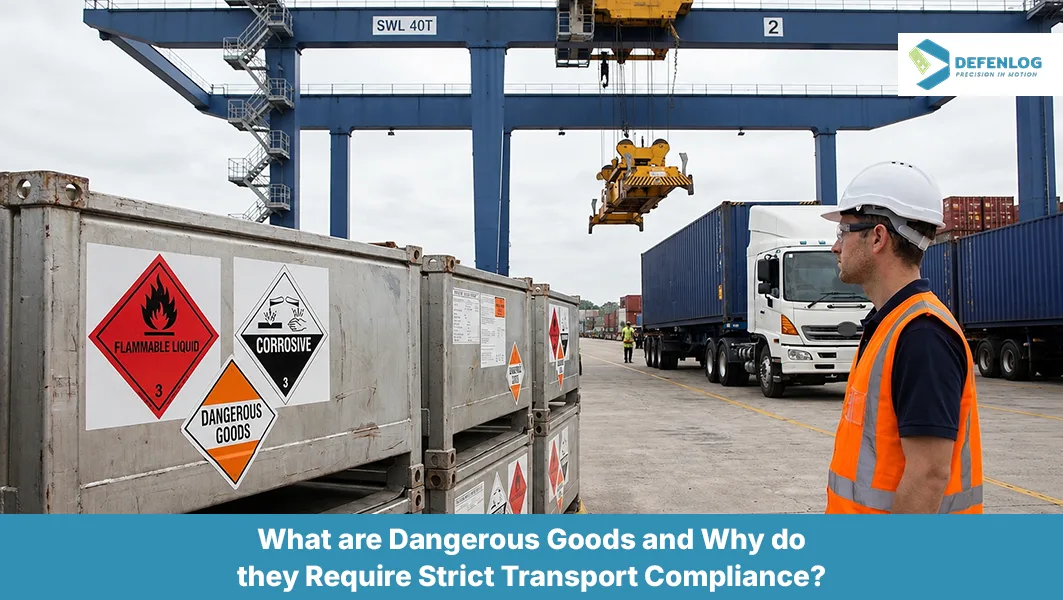
Dangerous goods are substances or articles that pose a risk to health, safety, property, or the environment during transport. These risks can arise from their chemical composition, physical properties, or reactive nature.
What makes this important is that dangerous goods are not always obvious. A product may look harmless but still fall under strict regulatory control due to how it behaves under certain conditions.
When handled correctly, these goods can be transported safely. The risk only becomes real when proper procedures are not followed. This is why classification and compliance are central to their movement.
How are Dangerous Goods Classified Globally?
To create consistency and safety across international logistics, dangerous goods are classified under structured regulatory systems. These include frameworks such as ADR for road transport, IMDG for sea freight, and IATA regulations for air transport.
Under these frameworks, dangerous goods are divided into nine hazard classes. Each class represents a specific type of risk, ranging from explosives and gases to flammable liquids, toxic substances, and corrosive materials.
Some of the most commonly encountered classes include:
- Explosives (Class 1), which include ammunition and industrial blasting materials
- Flammable liquids (Class 3), such as petrol and alcohol
- Gases (Class 2), including both flammable and non-flammable types
- Corrosives (Class 8), such as acids used in industrial processes
Each classification determines how the cargo must be packaged, labelled, handled, and transported.
Why Regulations are Critical in Dangerous Goods Transport?
Transporting dangerous goods without regulation would create unacceptable risks. Accidents involving hazardous materials can escalate quickly, affecting not just the cargo but also people, infrastructure, and the environment.
Regulations exist to:
- Minimize risk during transport
- Ensure proper handling and packaging
- Enable emergency responders to act quickly and correctly
- Maintain consistency across global supply chains
Even with regulations in place, incidents still occur, often due to non-compliance or lack of awareness. This highlights the importance of following procedures at every stage.
Identifying Dangerous Goods Before Transport
One of the most important steps in managing dangerous goods is identifying them correctly. This is typically done using the Safety Data Sheet (SDS), specifically Section 14, which outlines transport-related information.
This section includes:
- The UN number (a four-digit identification code)
- Hazard classification
- Packing group indicating the level of risk
For example, petrol is identified as UN 1203, while diesel is UN 1202. These identifiers are used globally and are critical for safe transport planning.
The Role of Labelling and Documentation
Once dangerous goods are identified, they must be clearly labelled and documented. This ensures that everyone involved in the transport chain understands the risks and handles the cargo accordingly.
Proper labelling includes hazard symbols and UN numbers, while documentation provides detailed information about the cargo.
Vehicles carrying dangerous goods may also require visible hazard plates. These are not just regulatory requirements, they are essential for safety, especially in emergencies.
Shared Responsibility Across the Supply Chain
A common misconception is that responsibility lies only with the transporter. In reality, dangerous goods compliance is shared across all parties involved.
Key responsibilities include:
- The consignor ensures correct classification and documentation
- The carrier ensures safe and compliant transport
- The loader and unloader are handling cargo properly
- The consignee receives goods safely
Each role is critical. A failure at any stage can compromise the entire operation.
Common Mistakes that Lead to Compliance Failures
Despite regulations, many companies still face challenges in dangerous goods transport. These issues often arise from gaps in knowledge or process rather than intentional non-compliance.
Some common mistakes include:
- Incorrect classification of substances
- Missing or incomplete documentation
- Improper packaging or labelling
- Misunderstanding regulatory exemptions
- Lack of staff training
Addressing these issues requires clear procedures and ongoing training.
Why Compliance Strengthens Logistics Operations?
While compliance may seem like an added burden, it actually improves operational efficiency. When dangerous goods are handled correctly, shipments move smoothly, risks are reduced, and trust is built across the supply chain.
For freight forwarders and logistics providers, strong compliance practices create a competitive advantage, especially when dealing with high-risk cargo.
Conclusion
Dangerous goods are an integral part of modern logistics, but they require careful handling and strict compliance. Understanding classification, following regulations, and working with experienced partners ensures that these shipments move safely and efficiently.
If you are looking for a Specialized Road Transport Partner in South Africa to manage hazardous and dangerous goods with full compliance and control, Defenlog is ready to support your operations.
Contact us today to ensure your cargo moves safely, compliantly, and without risk.