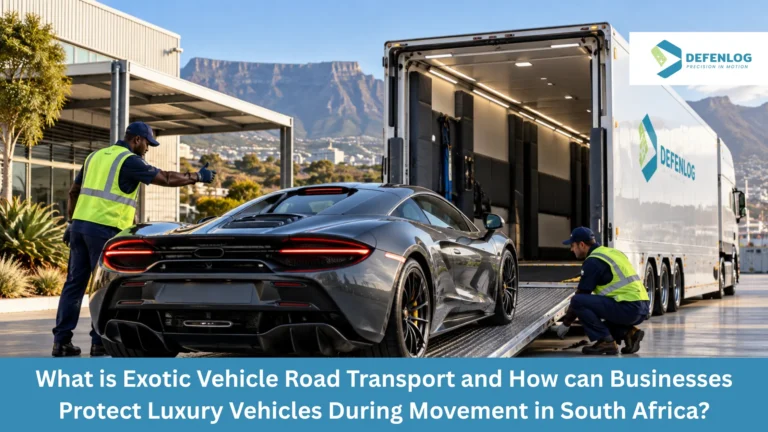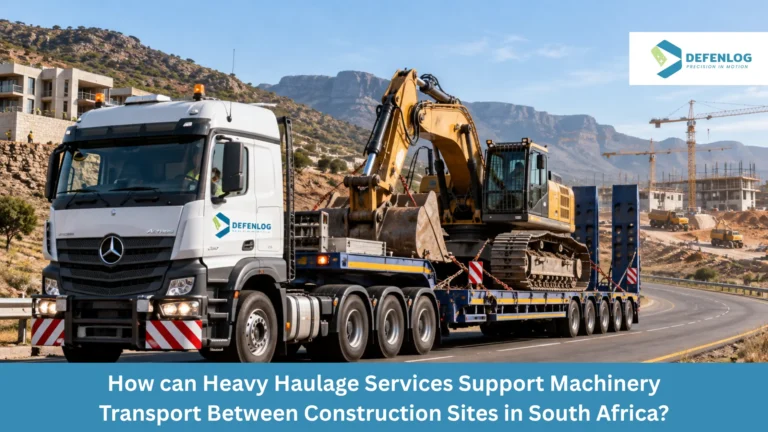

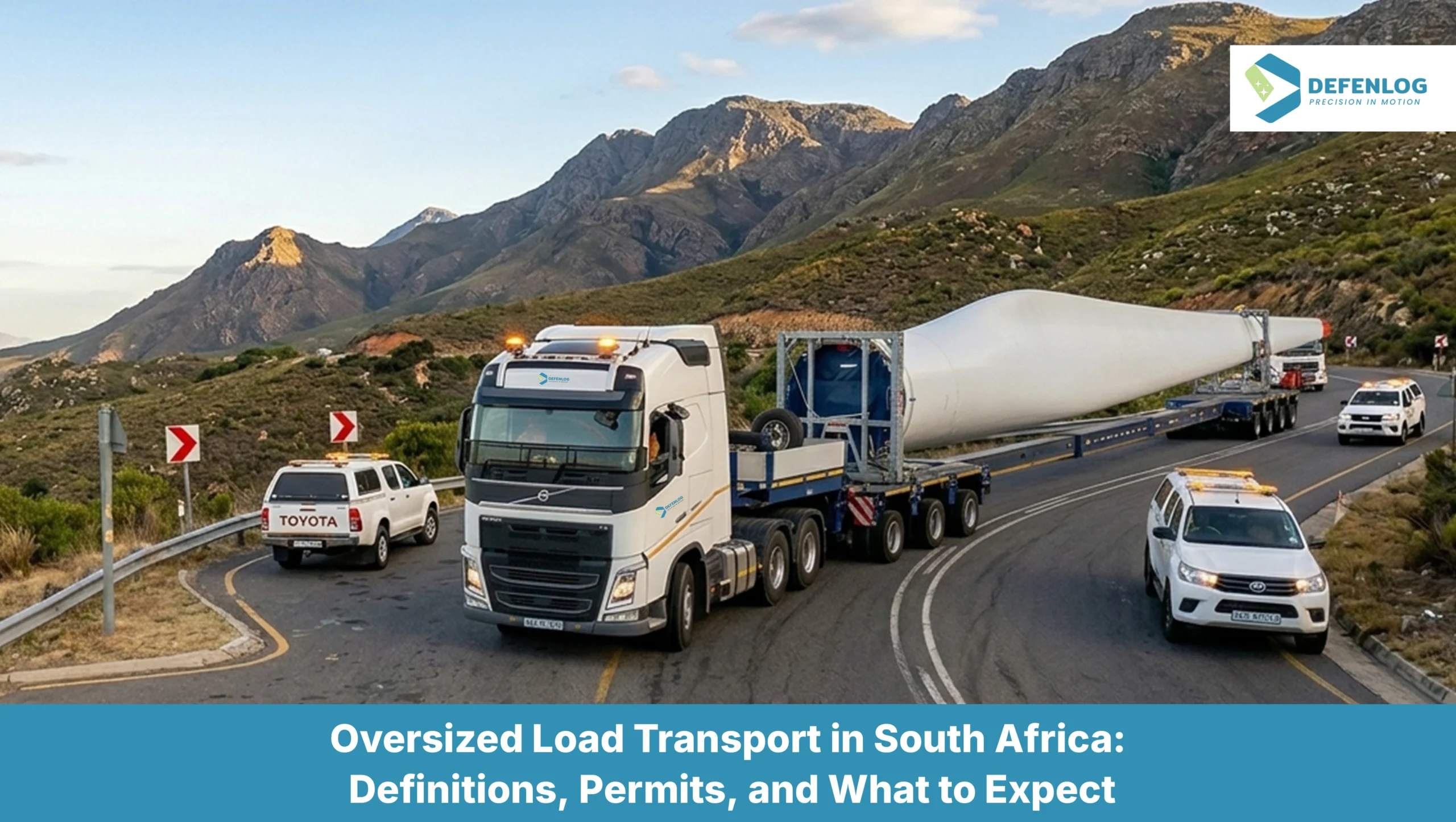
A mining excavator heading to a new site. A transformer is being delivered to a power project. A large industrial vessel moving from a port to a processing plant. These are not standard freight movements. They are examples of oversized load transport, one of the most specialized areas of road freight in South Africa.
While moving oversized cargo may seem straightforward, the reality is far more complex. Before a load can enter public roads, transport operators must consider legal dimensions, permit requirements, route restrictions, vehicle configurations, and compliance obligations.
For project managers, freight forwarders, mining companies, manufacturers, and infrastructure developers, understanding how oversized load transport works can help prevent costly delays and ensure cargo moves safely and legally.
What is an Oversized Load?
An oversized load is cargo that exceeds the legal dimensions permitted for normal road transport.
In South Africa, road authorities regulate the maximum allowable size and weight of vehicles using public roads. When cargo exceeds these limits, it is classified as an oversized or abnormal load and requires additional planning before transport can take place.
Oversized loads may exceed legal limits for:
- Width
- Height
- Length
- Gross vehicle mass
- Axle weight
Once these limits are exceeded, the movement falls into a regulated category requiring approvals and compliance controls.
What Types of Cargo are Considered Oversized Loads?
Many industries rely on oversized load transport to move equipment that cannot be dismantled into smaller sections.
Common examples include:
Mining Equipment
South Africa’s mining industry frequently moves:
- Excavators
- Crushers
- Drill rigs
- Processing equipment
- Haul truck components
Construction Machinery
Large construction projects often require the transport of:
- Cranes
- Earthmoving equipment
- Concrete batching plants
Energy Infrastructure
Power and energy projects may involve:
- Transformers
- Turbines
- Generators
- Transmission equipment
Industrial Plant Components
Factories and industrial facilities often require the movement of oversized machinery and production equipment.
These cargo types often exceed normal transport limits and require specialist handling.
Why are Oversized Loads Heavily Regulated?
Oversized cargo creates challenges that standard freight does not.
A large load may affect:
- Road infrastructure
- Bridge capacity
- Traffic flow
- Public safety
- Route accessibility
Without proper controls, oversized vehicles can damage roads, create congestion, or increase accident risks.
This is why South African authorities require permits and route assessments before approving movement.
The goal is to ensure the cargo reaches its destination safely while minimizing disruption to public infrastructure and other road users.
What is an Oversized Load Permit?
An oversized load permit is an official authorization that allows cargo exceeding legal transport limits to move on public roads under specific conditions.
The permit typically outlines:
- Approved routes
- Travel dates and times
- Vehicle configuration requirements
- Escort requirements
- Load dimensions
- Safety conditions
The permit essentially acts as legal permission to transport the cargo under controlled circumstances.
Without a valid permit, the movement may not proceed legally.
When is a Permit Required?
A permit is generally required whenever the vehicle, cargo, or vehicle combination exceeds standard legal dimensions or mass limits.
Factors that commonly trigger permit requirements include:
- Excessive width
- Excessive height
- Extended length
- Heavy axle loads
- Excessive gross vehicle mass
The larger the cargo, the more detailed the approval process may become.
Route Planning is One of the Most Important Steps
Many people assume oversized load transport is simply about obtaining a permit. In reality, route planning is often the most critical part of the process.
Before movement begins, transport operators assess:
- Bridge clearances
- Road widths
- Turning radii
- Overhead structures
- Traffic conditions
- Weight restrictions
A route that works perfectly for normal freight may be completely unsuitable for an oversized load.
Proper route validation helps prevent unexpected delays and operational risks.
Escort Vehicles and Traffic Management
Some oversized loads require additional support during transport.
Depending on the cargo dimensions and route conditions, authorities may require:
- Pilot vehicles
- Escort vehicles
- Traffic control measures
- Police coordination
These controls help maintain road safety and manage traffic around the load.
Escort requirements are typically determined during the permit approval process.
What Businesses should Expect During the Permit Process?
One common misconception is that oversized transport approvals happen quickly.
In reality, permit applications require detailed information and careful review.
Businesses should be prepared to provide:
- Cargo dimensions
- Cargo weight
- Vehicle specifications
- Trailer configuration
- Collection location
- Delivery location
- Proposed transport dates
The more complex the cargo, the more important it becomes to begin planning early.
Waiting until the last minute can lead to project delays.
Common Challenges in Oversized Load Transport
Even well-planned movements can face challenges.
Some of the most common include:
- Permit approval timelines
- Infrastructure restrictions
- Route limitations
- Weather conditions
- Traffic management requirements
- Cross-border approvals
These factors make specialist transport expertise extremely valuable.
A proactive approach helps reduce risk and improve project timelines.
Why Specialist Transport Providers Matter?
Oversized load transport requires much more than fleet capacity.
It requires expertise in:
- Permit coordination
- Route assessment
- Compliance management
- Risk planning
- Vehicle suitability
- Project logistics execution
Specialist operators understand how to coordinate all these elements while maintaining compliance and safety.
For businesses managing project cargo or heavy equipment, this expertise often makes the difference between a successful movement and a costly delay.
Industries that Depend on Oversized Load Transport
Several sectors rely heavily on specialist oversized transport services.
Mining
Mining projects regularly require the movement of large machinery and operational equipment.
Infrastructure Development
Road, rail, energy, and industrial projects often depend on oversized component delivery.
Manufacturing
Factory installations and plant relocations frequently involve abnormal load movements.
Energy & Utilities
Large transformers, generators, and infrastructure components require specialist transport planning.
These industries depend on predictable and compliant cargo movement to maintain project schedules.
Defenlog’s Approach to Oversized Load Transport
Defenlog supports oversized load and project cargo movements through structured planning, route validation, compliance management, and controlled execution.
Operations are built around:
- Permit coordination
- Route assessment
- Trailer suitability
- Risk-controlled planning
- Compliance-focused execution
- Nationwide transport capability
Every movement is managed with safety, accountability, and operational precision from collection to final delivery.
Conclusion: Successful Oversized Transport Starts Long Before the Journey Begins
Oversized load transport is one of the most complex areas of road freight. Success depends on more than simply moving cargo from one location to another.
It requires proper classification, permit approvals, route planning, compliance management, and specialist operational expertise.
Businesses that understand these requirements can reduce delays, improve project outcomes, and move oversized cargo with greater confidence.
If you need a Specialized Road Transport Partner in South Africa for oversized loads, abnormal loads, heavy equipment, or project cargo, Defenlog is ready to support your operation with compliant and controlled transport solutions.
Contact us today to discuss your oversized load transport requirements.