
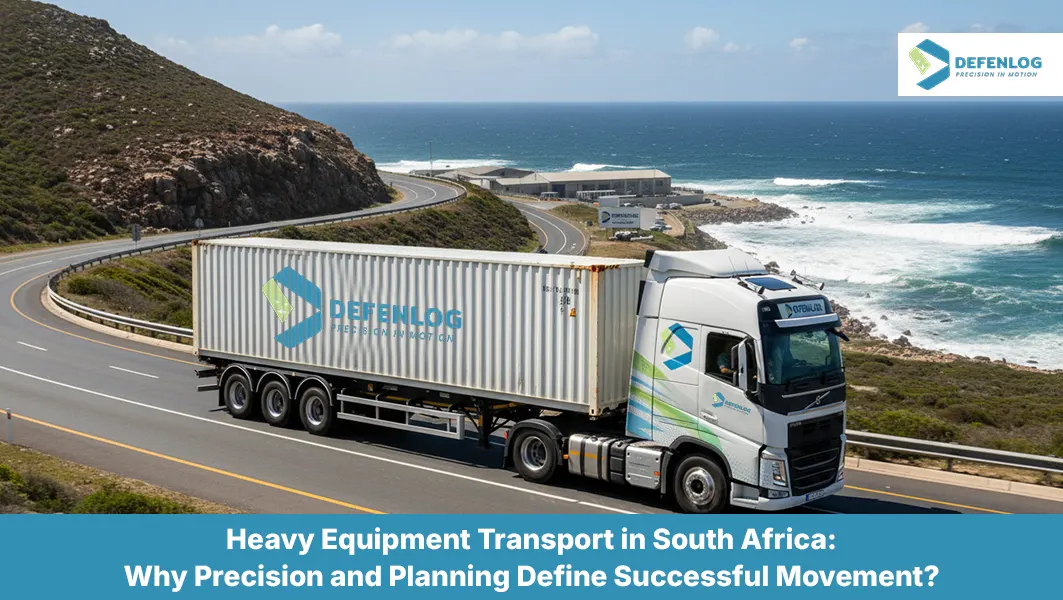
A piece of heavy machinery doesn’t just “move.” It gets engineered into motion. From the moment it leaves a construction yard or manufacturing plant, every kilometre it travels is influenced by weight limits, road conditions, trailer compatibility, and compliance requirements.
Across South Africa, industries like mining, construction, and infrastructure development rely heavily on the movement of large, complex equipment. But unlike general freight, heavy equipment transport is not forgiving. One miscalculation in load distribution, one overlooked bridge restriction, or one unsuitable trailer can delay operations, increase costs, or even halt a project entirely.
That’s why heavy equipment transport today is no longer about availability, it’s about precision, planning, and controlled execution.
The Growing Demand for Heavy Equipment Transport
South Africa’s industrial landscape is expanding. Mining operations are scaling, infrastructure projects are increasing, and construction activities continue to drive demand for machinery movement across provinces.
This has created a consistent need for transporting:
- Excavators, cranes, and earthmoving machinery
- Industrial plant components and manufacturing equipment
- Mining machinery and drilling equipment
- Infrastructure and construction assets
These movements often span long distances across Gauteng, KwaZulu-Natal, and the Western Cape, connecting ports, industrial hubs, and project sites.
However, as demand grows, so do the complexities.
Why Heavy Equipment Cannot be Treated as Standard Freight?
It’s easy to assume that all cargo can be handled under general transport processes. But heavy equipment introduces variables that standard freight simply does not.
Key differences include:
- Oversized dimensions exceeding normal road limits
- High weight requiring axle load compliance
- Sensitivity of machinery components
- Route restrictions such as bridge clearances and road conditions
- Need for specialised trailers like lowbeds and flatbeds
Without proper planning, these factors can lead to delays, regulatory issues, or operational risks.
Heavy haulage is not just transport, it’s engineered movement.
The Core Challenge: Balancing Power with Precision
Heavy equipment transport requires both strength in capability and precision in execution. Having the right fleet is only part of the solution. The real challenge lies in how that fleet is deployed and managed.
Every movement must answer critical questions:
- Is the trailer suitable for the equipment’s dimensions and weight?
- Is the load distributed correctly across axles?
- Does the route support the equipment’s height and width?
- Are there any legal or regulatory constraints?
Without clear answers, the movement becomes unpredictable.
Load Profiling: The First Step to Controlled Movement
Before any equipment is transported, it must be profiled. This means understanding its exact:
- Length, width, and height
- Total weight
- Centre of gravity
- Sensitivity and securing requirements
This information determines the type of trailer required and how the load will be secured.
Load profiling is not just a technical step, it is the foundation of safe and efficient transport.
Trailer Suitability: Matching Equipment with the Right Fleet
Heavy equipment cannot be assigned to just any vehicle. Trailer selection plays a critical role in ensuring stability, compliance, and safety.
Specialised trailers used in heavy haulage include:
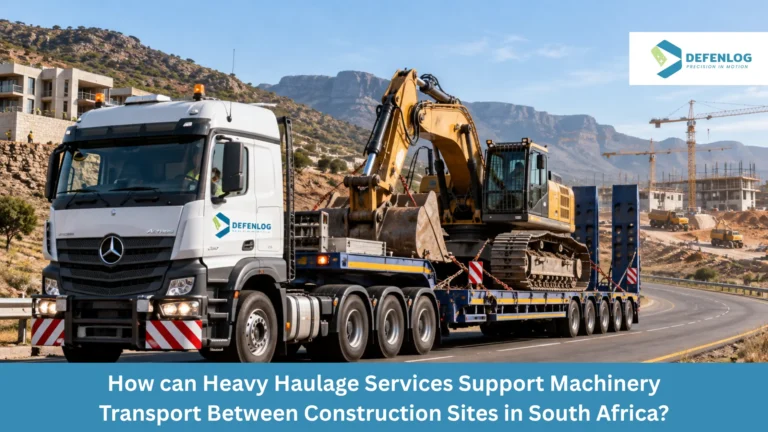
- Lowbed trailers for tall and heavy machinery
- Flatbed trailers for wide or irregular loads
- Extendable trailers for oversized equipment
Choosing the right trailer ensures:
- Proper weight distribution
- Reduced risk during transit
- Compliance with transport regulations
- Efficient loading and unloading
Fleet suitability is where planning meets execution.
Route Assessment: Avoiding Delays Before they Happen
One of the most critical aspects of heavy equipment transport is route planning. Unlike standard freight, heavy haulage must account for physical and regulatory constraints along the route.
Route assessment includes:
- Bridge height and weight limits
- Road width and turning radius
- Traffic patterns and congestion points
- Legal restrictions on heavy vehicle movement
By evaluating these factors before dispatch, businesses can avoid unexpected delays and maintain project timelines.
Regulatory Compliance: Non-Negotiable in Heavy Haulage
South Africa enforces strict regulations for heavy vehicle transport. These regulations are designed to protect infrastructure, ensure road safety, and maintain operational standards.
Key compliance areas include:
- Axle load limits
- Vehicle licensing and certification
- Permits for abnormal loads
- Adherence to national road transport legislation
Failure to comply can result in fines, delays, or even suspension of operations.
For businesses moving heavy equipment, compliance is not optional, it is essential.
Load Securing and Weight Distribution
Transporting heavy machinery is not just about placing it on a trailer. It must be secured and balanced correctly to ensure stability throughout the journey.
This involves:
- Anchoring equipment using appropriate securing methods
- Distributing weight evenly across axles
- Preventing movement during transit
- Aligning with heavy haulage safety standards
Proper load securing reduces risk and ensures safe delivery.
Supporting South Africa’s Key Industrial Sectors
Heavy equipment transport plays a vital role in supporting multiple industries across South Africa.
These include:
Mining Sector
Transporting drilling equipment, explosives machinery, and large-scale mining assets to remote sites.
Construction Industry
Moving cranes, excavators, and infrastructure equipment to project locations.
Manufacturing and Industrial Plants
Relocating machinery, production units, and industrial components.
Infrastructure Development
Supporting large-scale projects requiring coordinated equipment movement.
For these sectors, delays in equipment transport can directly impact project timelines and costs.
The Importance of Nationwide Coverage
Heavy equipment movements often span multiple provinces and logistics corridors. Reliable transport services must operate across key regions such as:
- Gauteng (industrial hub)
- KwaZulu-Natal (port and logistics corridor)
- Western Cape (regional distribution and infrastructure projects)
A structured national network ensures that machinery can be moved efficiently between sites, regardless of location.
Defenlog: Bringing Control to Heavy Equipment Transport
Defenlog approaches heavy equipment transport with a structured and disciplined methodology. Each movement is planned, assessed, and executed with a focus on precision and compliance.
Key operational strengths include:
- Specialised trailer deployment aligned to equipment requirements
- Load profiling and securing procedures
- Route assessment and clearance planning
- Compliance with axle load and regulatory standards
- Movement oversight from dispatch to delivery
By combining fleet capability with operational discipline, Defenlog supports industrial and project-based logistics with controlled heavy haulage solutions across South Africa.
Conclusion: Precision is What Moves Heavy Equipment Forward
Heavy equipment transport is one of the most demanding areas of road logistics. It requires more than vehicles, it requires planning, engineering, compliance, and execution.
For businesses operating in mining, construction, and industrial sectors, the reliability of equipment movement directly impacts operational success.
If you are looking for a Trusted Road Transport Partner in South Africa to manage your heavy equipment and specialised transport needs, Defenlog is ready to support your operations with structured planning and dependable execution.
Contact us today to schedule your equipment transport and ensure your machinery moves safely, efficiently, and without compromise.