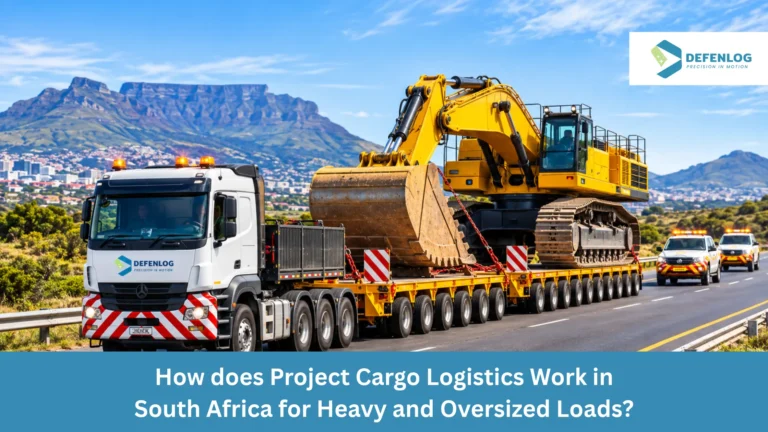


Not every shipment can fit onto a standard truck or travel along a normal delivery route.
Heavy mining machinery, industrial transformers, power plant equipment, and large construction components often need a completely different transportation approach.
This is where project cargo transport becomes important. Moving oversized, heavy, or complex equipment requires careful planning, specialized vehicles, route assessments, and experienced transport teams.
For businesses operating across South Africa, understanding how project cargo transportation works can help prevent costly delays, reduce transport risks, and keep important projects on schedule.
What is Project Cargo?
Project cargo refers to the transportation of large, heavy, valuable, or complex equipment that requires special handling and transport arrangements.
Unlike general freight, project cargo may exceed standard vehicle dimensions or weight limits, requiring specialized trailers, lifting equipment, and detailed transport planning.
Common examples include:
- Mining machinery and processing equipment
- Industrial transformers and generators
- Construction machinery and prefabricated structures
- Wind turbine components
- Large tanks, pressure vessels, and factory equipment
Because these shipments often support major industrial projects, delays or handling problems can affect much more than the transportation schedule.
Which Industries Benefit the Most from Project Cargo?
Several industries depend on project cargo transportation to move machinery and equipment between manufacturing facilities, industrial sites, and project locations.
Mining Industry: Mining companies transport excavators, crushers, drilling equipment, and processing machinery to operational sites.
Construction and Infrastructure: Large construction projects require the movement of cranes, structural components, earthmoving equipment, and prefabricated sections.
Renewable Energy: Wind farms and other energy projects depend on transporting large turbines, generators, transformers, and related equipment.
Power Generation: Power stations require specialized transportation for heavy turbines, generators, boilers, and electrical equipment.
Manufacturing and Industrial Projects: Factory expansions and relocations often involve oversized machinery, production equipment, and industrial plant components.
Oil, Gas, and Petrochemical Industries: Heavy pressure vessels, processing units, tanks, and other large equipment require carefully coordinated road movements.
For these industries, selecting the right transport approach is essential to keeping operations and project timelines on track.
What are the Challenges of Project Cargo Transportation?
Moving oversized or heavy cargo involves several challenges that are not usually encountered during general road freight transportation.
- Oversized and Heavy Cargo: Large equipment may exceed standard transport limits and require specialized trailers and lifting arrangements.
- Complex Route Planning: Narrow roads, low bridges, overhead cables, turning restrictions, and road conditions can affect the movement.
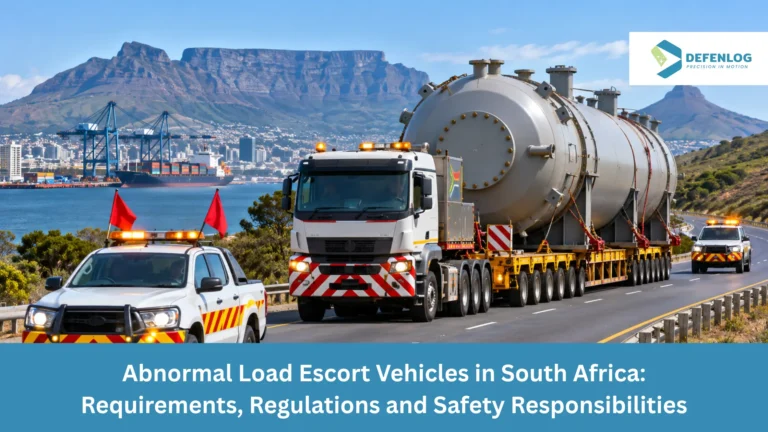
- Regulatory Approvals: Abnormal loads may require permits, approved routes, escort vehicles, and restricted movement schedules.
- Specialized Handling: Loading, securing, and unloading heavy equipment require suitable machinery and experienced personnel.
- Multiple Stakeholders: Transport operators, project managers, site teams, and relevant authorities must coordinate their activities.
- Weather and Road Conditions: Poor visibility, strong winds, or unsuitable road conditions can delay planned movements.
- Safety and Financial Risks: Equipment damage, unexpected delays, and improper cargo handling can increase overall project costs.
These challenges make early planning and the involvement of an experienced specialist road transport partner particularly important.
How Does Project Cargo Road Transportation Work in South Africa?
Project cargo transportation involves more than arranging a vehicle and collecting the equipment. Each movement requires a structured process to match the cargo, route, and delivery requirements.
1. Cargo Assessment
The process starts by confirming the cargo’s dimensions, weight, lifting points, and handling requirements. These details help determine whether specialized transport equipment is necessary.
2. Route Assessment and Planning
The proposed route is checked for bridge clearances, road width, weight restrictions, and access limitations. Alternative routes may be considered where necessary.
3. Vehicle and Equipment Selection
A suitable flatbed, lowbed, multi-axle trailer, or other specialized vehicle is selected according to the cargo’s specifications and transport conditions.
4. Permits and Transport Coordination
When the movement exceeds applicable road limits, abnormal load permits and any required escorts must be arranged before transportation begins.
5. Transportation and Final Delivery
After loading and securing the cargo, the transport team follows the planned route and coordinates arrival with the receiving site to support safe unloading and handover.
Following a structured process helps businesses reduce unexpected disruptions and maintain better control over project cargo movements.
Project Cargo Planning Checklist
Before arranging project cargo transportation, businesses should prepare accurate shipment information and confirm the delivery requirements.
A practical checklist includes:
- Cargo dimensions, weight, and technical specifications
- Collection and delivery locations
- Site accessibility and vehicle entry restrictions
- Equipment drawings and lifting instructions, where available
- Required collection and delivery dates
- Loading and unloading arrangements
- Cargo value and applicable insurance requirements
- Contact details for the project and receiving teams
Providing this information early helps transport operators assess the movement accurately, identify potential challenges, and prepare a suitable transport plan.
What Factors Affect Project Cargo Road Transport Costs?
Project cargo transportation costs can vary considerably depending on the equipment being moved and the requirements of the journey.
Several factors influence the final transportation quotation.
Cargo Size and Weight: Larger or heavier equipment may require specialized trailers, additional axles, and more complex loading arrangements.
Transport Distance and Route Conditions: Longer journeys, restricted roads, and alternative routing requirements can increase transportation costs.
Specialized Equipment: Lowbed trailers, heavy-haulage configurations, and additional lifting equipment may affect the overall price.
Permits and Escort Requirements: Abnormal load approvals, escort vehicles, and traffic management arrangements can add expenses when required.
Loading and Unloading: Crane hire, lifting arrangements, difficult site access, and additional handling time can influence the final cost.
For example, transporting a heavy mining machine between two accessible industrial facilities may require less preparation than moving a similar load to a remote site with restricted road access.
Understanding these cost factors helps businesses plan realistic transport budgets and avoid unexpected expenses.
Why Choose Defenlog for Project Cargo Handling?
Project cargo transportation requires more than specialized vehicles. It also depends on planning, regulatory compliance, and careful coordination throughout the movement.
Defenlog provides Project Cargo Road Transport Services in South Africa, supporting businesses that need to move oversized, heavy, and complex equipment.
Our approach focuses on:
- Specialized Transport Planning: Assessingfull draft content kudu cargo requirements and identifying suitable transportation arrangements.
- Route and Infrastructure Assessment: Considering road conditions, bridge restrictions, clearances, and site access.
- Regulatory Compliance: Coordinating applicable abnormal load permits and transport requirements.
- Suitable Transport Equipment: Matching vehicle and trailer configurations to the cargo’s specifications.
- Safety and Risk Management: Planning cargo securing, transport movements, and delivery operations.
- Nationwide Road Transport: Supporting project cargo movements across South Africa.
From initial cargo assessment to final delivery, Defenlog focuses on structured planning and controlled execution to support reliable project cargo transportation.
Conclusion
Project cargo transportation plays an important role in supporting South Africa’s mining, construction, energy, and industrial sectors.
Moving large or complex equipment safely requires suitable vehicles, route assessments, regulatory compliance, and coordinated delivery planning.
Understanding the transportation process and the factors affecting costs can help businesses make better decisions before moving critical equipment.
If your business needs reliable project cargo road transport across South Africa, contact us at Defenlog to discuss your cargo requirements and plan your next movement.