
A truck carrying standard cargo can usually move from point A to point B without attracting much attention. But when the cargo exceeds legal size or weight limits, everything changes. Suddenly, the movement involves route assessments, permits, compliance checks, and approvals from authorities before the journey can even begin.
This is where an abnormal load permit becomes essential.
Across South Africa, industries such as mining, construction, energy, manufacturing, and infrastructure regularly move oversized machinery, heavy equipment, and project cargo. These movements play a critical role in economic development, but they also create challenges for road safety and infrastructure protection. To manage these risks, South African transport regulations require abnormal loads to be approved before they enter public roads.
For logistics professionals, project managers, freight forwarders, and equipment owners, understanding abnormal load permits is a crucial part of successful road freight planning.
What is an Abnormal Load?
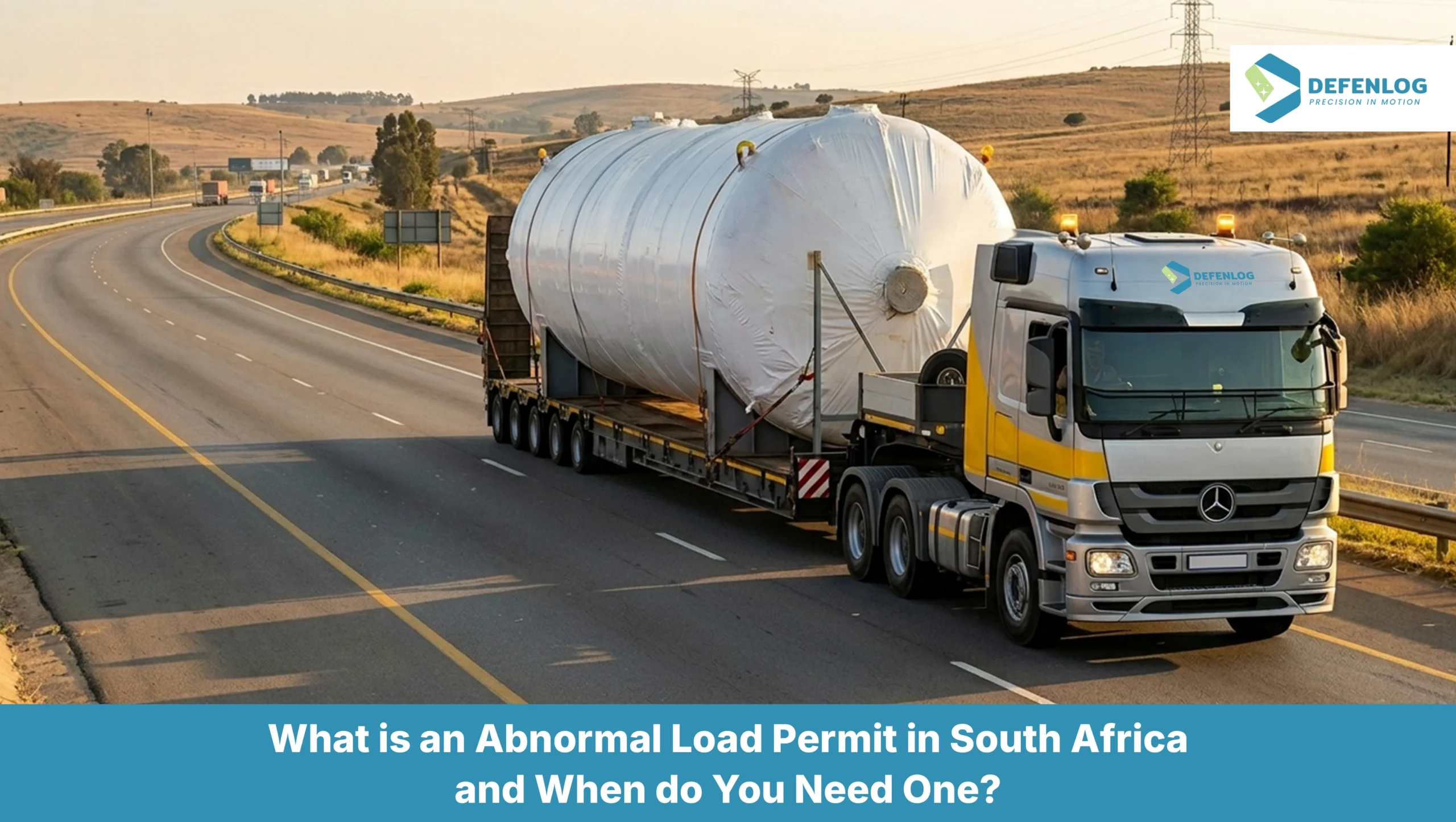
An abnormal load is any vehicle or cargo that exceeds the legal dimensions or weight limits permitted for normal road transport.
In simple terms, if a load is too wide, too high, too long, or too heavy for standard road regulations, it may be classified as an abnormal load.
Examples include:
- Mining machinery
- Construction equipment
- Industrial plant components
- Transformers and generators
- Large tanks and vessels
- Heavy project cargo
- Infrastructure components
These loads often cannot be dismantled into smaller sections and therefore require specialized transport solutions.
What is an Abnormal Load Permit?
An abnormal load permit is an official authorization issued by the relevant transport authorities allowing a vehicle and its cargo to exceed standard road transport limits under specific conditions.
The permit outlines:
- Approved transport routes
- Permitted dimensions and weights
- Travel restrictions
- Escort requirements
- Operational conditions
- Safety obligations
Without a valid permit, an abnormal load cannot legally travel on public roads in South Africa.
The permit serves two important purposes:
- Protecting public road infrastructure
- Ensuring the safety of road users and transport operators
Why South Africa Requires Abnormal Load Permits?
South Africa’s road network was designed around specific vehicle size and weight limitations. Oversized and overweight loads place additional pressure on roads, bridges, intersections, and public infrastructure.
Without proper control, abnormal loads can create:
- Road damage
- Bridge stress
- Traffic disruptions
- Safety risks
- Infrastructure failures
The permit process helps authorities assess whether a proposed movement can be completed safely and legally.
When do You Need an Abnormal Load Permit?
A permit is generally required when the vehicle, cargo, or combination exceeds legal limits for:
Vehicle Width
Wide loads often create lane occupation issues and may require traffic management measures.
Vehicle Height
Height restrictions become important when passing under bridges, overhead cables, or structures.
Vehicle Length
Long loads can create turning and manoeuvrability challenges on public roads.
Vehicle Weight
Heavy cargo may affect bridge capacities, road surfaces, and axle load compliance.
If any legal transport limit is exceeded, authorities typically require an abnormal load application before movement is approved.
The Types of Cargo That Commonly Require Permits
Several industries regularly require abnormal load permits due to the nature of their equipment and operations.
Mining Industry
South Africa’s mining sector frequently transports:
- Excavators
- Crushers
- Drill rigs
- Processing equipment
Many of these assets exceed standard transport dimensions.
Construction Sector
Large construction equipment often requires permit-approved movement between project sites.
Examples include:
- Cranes
- Earthmoving equipment
- Concrete plants
Energy Sector
Power generation and infrastructure projects often involve:
- Transformers
- Turbines
- Generators
These components are typically oversized and heavy.
Industrial Manufacturing
Factory relocations and plant installations often involve abnormal load movements requiring specialist planning.
What Information is Required for a Permit Application?
Before authorities can issue an abnormal load permit, detailed information must be submitted.
This typically includes:
- Cargo dimensions
- Cargo weight
- Vehicle specifications
- Trailer configuration
- Collection and delivery locations
- Proposed route
- Movement dates
Accurate information is critical because authorities use it to evaluate road suitability and safety risks.
Route Assessments are a Critical Part of the Process
One of the most important elements of abnormal load transport is route planning.
Authorities assess whether the proposed route can safely accommodate the load.
Factors considered include:
- Bridge clearances
- Road width
- Turning circles
- Weight restrictions
- Traffic conditions
- Overhead structures
In some cases, route modifications may be required before approval is granted.
This is why route assessments are often conducted well before the movement date.
Escort Vehicles and Traffic Control Requirements
Not all abnormal loads can travel independently.
Depending on the cargo dimensions and risk profile, authorities may require:
- Pilot vehicles
- Escort vehicles
- Traffic management teams
- Police assistance
These measures help manage traffic flow and ensure road safety during transport.
Escort requirements are typically specified within the permit conditions.
Compliance Responsibilities During Transport
Obtaining the permit is only one part of the process. Compliance must continue throughout the movement.
Transport operators must ensure:
- Approved routes are followed
- Permit conditions are observed
- Vehicle configurations remain unchanged
- Weight limits are respected
- Safety measures are maintained
Failure to comply can result in fines, permit cancellation, or legal action.
Common Challenges in Abnormal Load Transport
Abnormal load movements are often more complex than businesses initially expect.
Common challenges include:
- Permit processing timelines
- Route restrictions
- Infrastructure limitations
- Weather conditions
- Escort coordination
- Regulatory approvals
These factors make early planning essential.
The larger and more complex the cargo, the more important preparation becomes.
Why Specialist Transport Partners Matter?
Abnormal load transport requires more than trucks and trailers. It requires expertise in regulations, route planning, compliance, and operational execution.
A specialist transport partner helps by:
- Managing permit applications
- Conducting route assessments
- Coordinating escorts
- Ensuring regulatory compliance
- Planning safe cargo movement
This reduces operational risk and improves project reliability.
Defenlog’s Approach to Abnormal Load Transport
Defenlog supports abnormal load and project cargo movements through structured planning and controlled execution.
Operations are built around:
- Route validation and risk assessment
- Permit coordination
- Fleet suitability and trailer selection
- Compliance-focused transport planning
- Controlled delivery execution
Every movement is planned to meet South African road regulations while ensuring cargo reaches its destination safely and efficiently.
Conclusion
Abnormal load permits are not simply administrative requirements. They are an essential part of ensuring oversized and overweight cargo moves safely across South Africa’s road network.
From protecting infrastructure to managing road safety, permits provide the framework that allows complex cargo movements to take place legally and efficiently.
If your business needs a Specialized Road Transport Partner in South Africa for abnormal loads, heavy equipment, project cargo, or regulated freight, Defenlog is ready to support your operation with compliant and controlled transport solutions. Contact us today to discuss your abnormal load transport requirements and permit planning needs.