
Most cargo moves through supply chains every day without attracting attention. Standard pallets, boxed goods, and containerized shipments follow predictable routes and established transport processes. But not every shipment fits that model. Some cargo carries higher risks, stricter compliance requirements, or operational sensitivities that standard freight operations simply are not designed to handle.
That is where the difference between general freight and specialist transport becomes critical.
Across South Africa and Africa, industries such as mining, defence, energy, chemicals, and infrastructure increasingly rely on specialist logistics partners to move regulated, oversized, hazardous, or security-sensitive cargo. In today’s logistics environment, understanding this distinction is no longer optional, it directly affects safety, compliance, project continuity, and operational risk.
What is General Freight Transport?
General freight transport refers to the movement of standard commercial cargo that does not require special handling, licensing, or regulatory controls beyond normal transport regulations.
This typically includes:
- Packaged consumer goods
- Retail products
- Palletized cargo
- Standard industrial materials
- General distribution freight
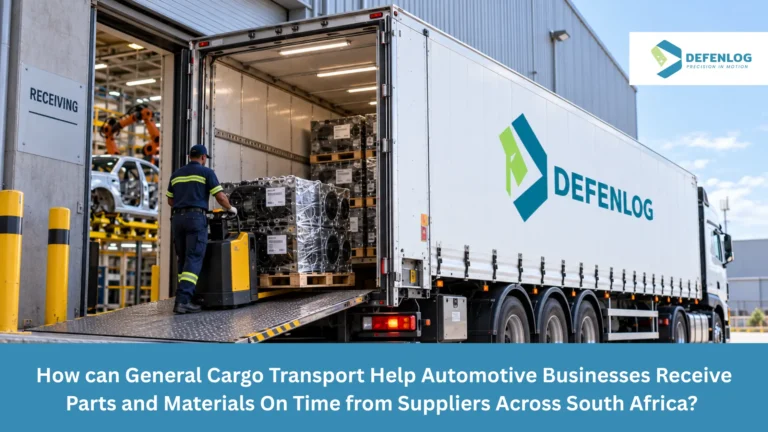
These shipments usually move through routine transport networks using conventional trucks, trailers, and delivery schedules.
The process is designed for efficiency and volume. Routes are predictable, loading is standardized, and operational risks are relatively low.
For most day-to-day logistics operations, general freight transport works perfectly well.
What Defines Specialist Transport?
Specialist transport begins where standard freight capability ends.
It involves cargo that requires additional planning, licensing, safety measures, operational controls, or technical handling due to its nature, size, value, or risk profile.
Specialist transport may include:
- Dangerous goods and hazardous materials
- Explosives and Class 1 cargo
- Military and defence equipment
- Project cargo and oversized machinery
- High-value or security-sensitive cargo
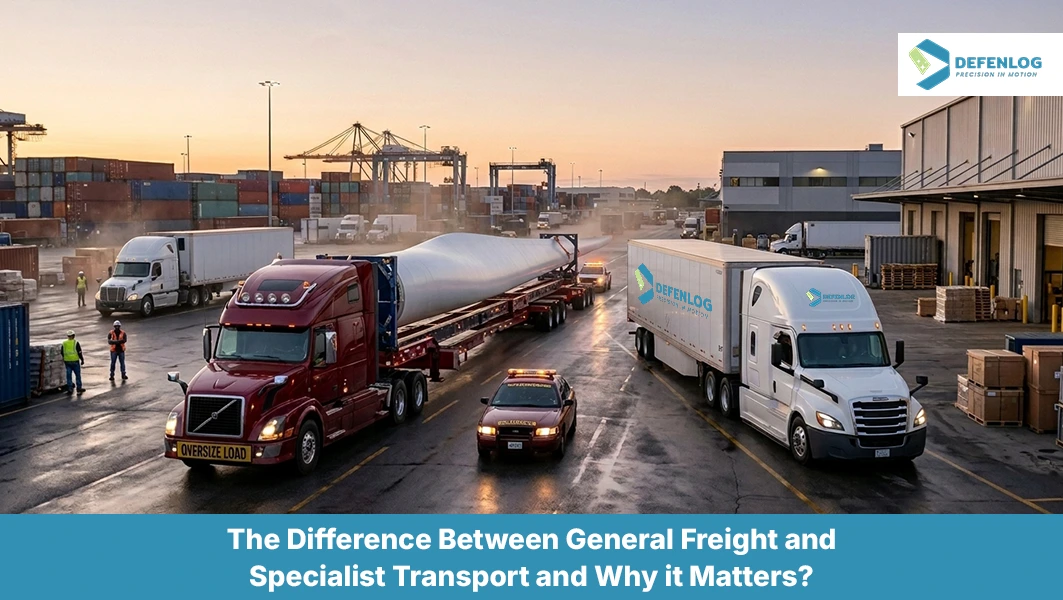
- Heavy equipment and abnormal loads
These movements cannot be managed through ordinary freight processes. They require controlled execution and specialist operational expertise.
Why does the Difference Matter More Today?
The logistics and supply chain environment has changed significantly over the last few years. Regulatory scrutiny has increased, infrastructure pressures continue to grow, and industries are facing tighter operational timelines.
As a result, the gap between standard freight handling and specialist transport capability has become much more visible.
A transporter capable of moving general cargo may not be licensed, equipped, or operationally prepared to move hazardous or regulated freight safely.
This distinction matters because mistakes in specialist transport can lead to:
- Compliance violations
- Delivery delays
- Cargo damage
- Environmental risks
- Safety incidents
- Financial penalties
For industries operating with sensitive cargo, choosing the wrong transport partner creates operational exposure.
Compliance is One of the Biggest Differences
General freight operations usually follow standard transport regulations. Specialist transport, however, operates under additional legal and regulatory frameworks.
For example, dangerous goods transport may require:
- Hazard classification
- UN identification
- Approved packaging and labelling
- Route restrictions
- Licensed operators and vehicles
- Permit approvals
Military and explosives cargo may involve even stricter security and authorization protocols.
Compliance in specialist transport is not an administrative task added later, it forms part of the operational planning from the beginning.
Risk Management Changes Completely
In general freight transport, operational focus is often on speed, cost, and scheduling efficiency.
In specialist transport, the priority shifts toward risk control.
Every movement must consider:
- Cargo sensitivity
- Route suitability
- Environmental exposure
- Safety procedures
- Security requirements
- Emergency response readiness
This requires a different level of planning and operational discipline.
For example, a dangerous goods shipment may require route assessments before movement begins, while explosives transport may require escort coordination and restricted corridor approvals.
The operational mindset is entirely different.
Specialist Transport Requires Different Equipment
Standard freight vehicles are designed for routine cargo movement. Specialist transport often requires purpose-built or specially configured equipment.
This may include:
- Hazard-compliant transport units
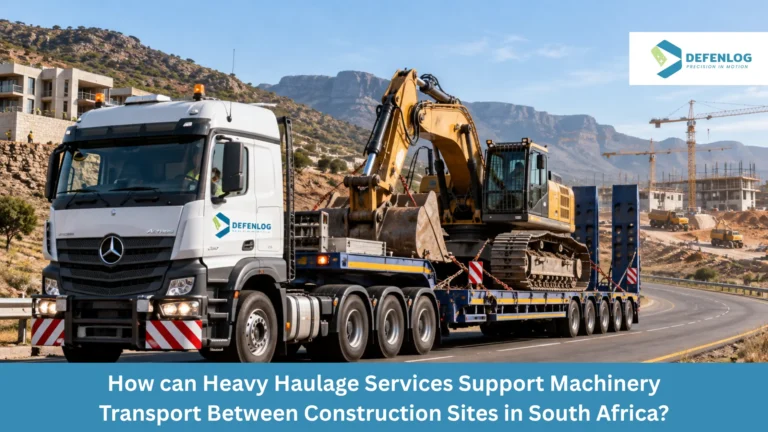
- Lowbed trailers for heavy machinery
- Multi-axle configurations
- Escort-ready vehicle setups
- Secured transport systems for sensitive cargo
Vehicle suitability is not based only on size or availability, it is based on operational compatibility with the cargo risk profile.
Training and Operational Discipline Matter
Another major difference lies in personnel and operational control.
General freight drivers may be experienced in standard cargo movement, but specialist transport requires additional training, certifications, and safety awareness.
Operators handling dangerous or regulated cargo must understand:
- Hazard protocols
- Emergency procedures
- Compliance obligations
- Secure handling processes
- Controlled loading and delivery procedures
Specialist transport depends heavily on disciplined execution because there is far less margin for error.
Industries that Depend on Specialist Transport
Several industries rely on specialist transport as part of their daily operations.
Mining Sector
Explosives, chemicals, and heavy equipment require controlled movement to remote and high-risk environments.
Defence & Military
Sensitive cargo must move under strict security and compliance conditions.
Energy & Industrial Projects
Oversized and hazardous equipment requires route planning, permits, and specialist fleet deployment.
Chemical & Hazardous Materials Industry
Regulated substances require compliant packaging, labelling, and transport handling.
For these sectors, transport is not simply a delivery function, it is part of operational continuity and risk management.
Why Choosing the Right Transport Partner Matters?
One of the biggest mistakes businesses make is assuming that all transport providers operate at the same capability level.
A general freight transporter may handle routine cargo efficiently, but specialist transport requires:
- Licensed operations
- Regulatory expertise
- Risk-controlled planning
- Specialist fleet capability
- Security and compliance management
The right partner helps businesses reduce operational exposure while ensuring cargo moves safely, legally, and efficiently.
Defenlog’s Approach to Specialist Transport
Defenlog operates with a focus on controlled execution for high-risk, hazardous, and regulated cargo movements across South Africa.
Operations are structured around:
- Compliance validation before dispatch
- Risk-controlled route planning
- Licensed handling procedures
- Security-focused transport execution
- Structured movement oversight
From dangerous goods and explosives transport to project cargo and defence logistics, every movement is managed with operational discipline and accountability.
Conclusion
The difference between general freight and specialist transport is not just operational, it is strategic.
General freight focuses on movement efficiency. Specialist transport focuses on safety, compliance, control, and risk management.
As industries across South Africa and Africa continue to handle more regulated, hazardous, and security-sensitive cargo, specialist transport capability becomes increasingly important.
If your cargo requires more than standard freight handling, working with the right transport partner matters.
Defenlog supports businesses requiring a Specialized Road Transport Partner in South Africa for dangerous goods, explosives, defence cargo, project logistics, and high-risk transport operations. Contact us today to discuss your specialist transport requirements and move critical cargo with confidence, compliance, and control.