
When hazardous materials need to be transported, many businesses focus on availability, pricing, and delivery schedules. While these factors are important, they often overlook a much bigger question:
Is the transport provider actually qualified to handle hazardous cargo?
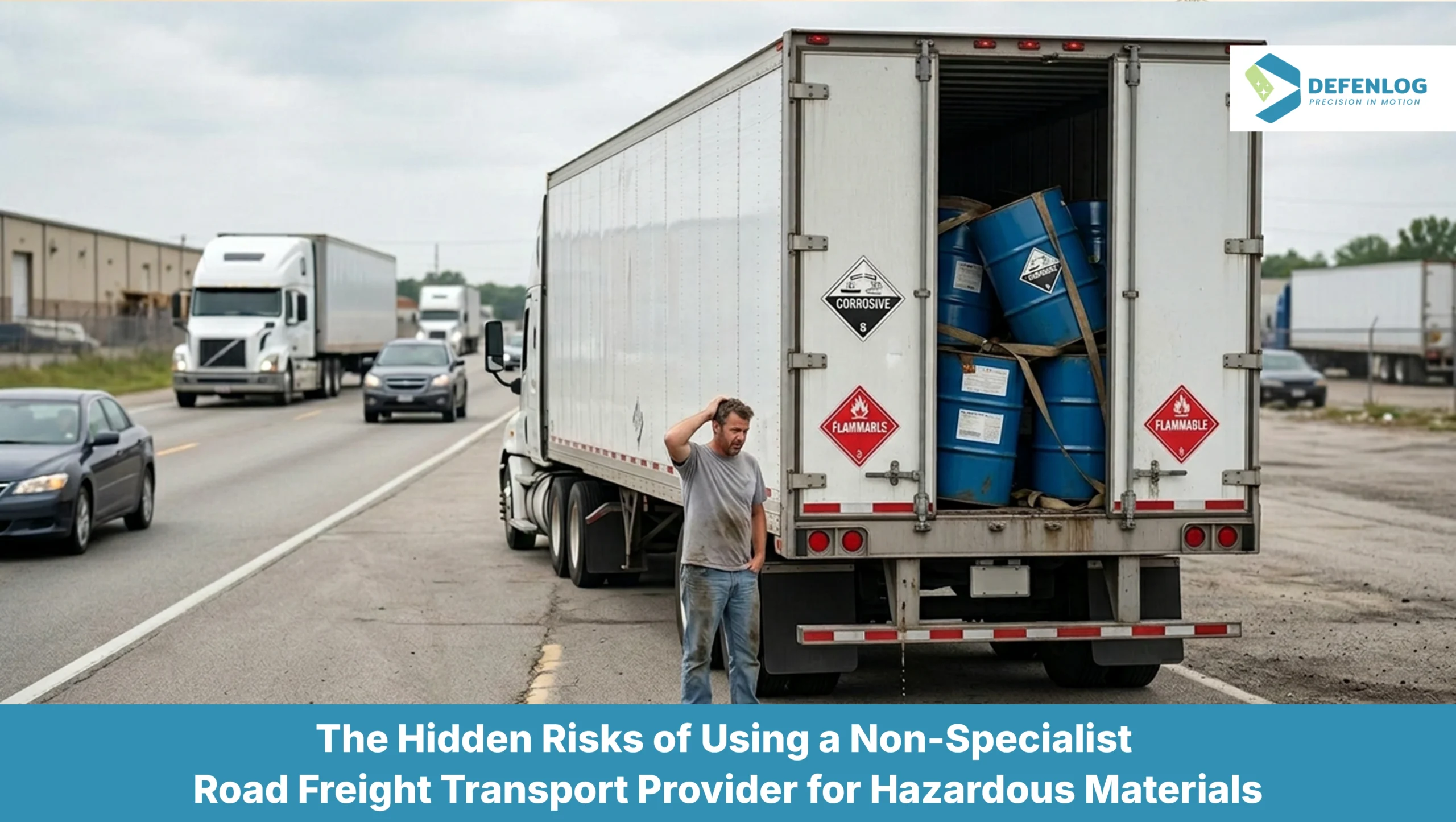
For dangerous goods, the consequences of choosing the wrong road freight partner can be far more serious than a delayed delivery. Compliance failures, safety incidents, cargo damage, environmental exposure, and regulatory penalties can all result from using a transport provider that lacks specialist hazardous materials expertise.
As industries across South Africa continue to move chemicals, fuels, explosives, corrosives, and other regulated substances, the risks associated with non-specialist transport providers have become increasingly significant.
Hazardous Materials are Not Standard Freight
One of the biggest misconceptions in logistics is that dangerous goods can be transported using the same approach as general freight.
In reality, hazardous materials require a completely different operational framework.
Every shipment must be assessed based on:
- Hazard classification
- Regulatory requirements
- Packaging standards
- Vehicle suitability
- Route planning
- Emergency response considerations
A transport provider experienced in general freight may not have the systems, training, or compliance controls necessary to manage these requirements effectively.
Compliance Risks Start Before the Vehicle Moves
Hazardous materials transport begins long before cargo is loaded.
Every shipment must be properly classified, documented, labelled, and approved for transport. Missing or incorrect information can create immediate compliance issues.
Common compliance risks include:
- Incorrect hazard classification
- Missing UN identification
- Incomplete documentation
- Incorrect labelling
- Failure to meet permit requirements
Specialist hazardous transport operators understand these requirements and validate them before movement begins. Non-specialist providers may not identify these issues until the shipment is delayed or inspected.
Driver Training Can Make a Significant Difference
Transporting dangerous goods requires more than driving experience. Drivers must understand how hazardous cargo behaves, how to respond to incidents, and how to follow safety procedures during transit.
Specialist hazardous transport providers typically invest in:
- Dangerous goods awareness training
- Safety procedures
- Emergency response preparation
- Regulatory compliance requirements
Without this knowledge, even minor incidents can escalate into serious operational and safety concerns.
Vehicle Suitability Matters More than Many Businesses Realize
Not every vehicle is suitable for hazardous materials transport.
The type of cargo being transported often determines:
- Vehicle configuration
- Safety equipment requirements
- Placarding and signage
- Cargo securing procedures
A non-specialist transport provider may have vehicles available, but availability does not guarantee suitability.
Specialist operators ensure that fleet deployment is aligned with the specific risk profile of the cargo being moved.
The Cost of Poor Route Planning
For standard freight, route planning often focuses on speed and efficiency.
For hazardous materials, route planning is also about risk management.
Transport routes may need to consider:
- Population density
- Environmental sensitivity
- Infrastructure limitations
- Emergency response accessibility
- Regulatory restrictions
A non-specialist provider may not conduct the level of route assessment required for hazardous cargo, increasing exposure to unnecessary risk.
Emergency Preparedness is Often Overlooked
No company expects an incident to occur during transport. However, responsible hazardous materials transport planning assumes that unexpected situations can happen.
This is why specialist operators develop structured response procedures.
These may include:
- Incident reporting processes
- Emergency communication protocols
- Driver response procedures
- Cargo containment measures
Without proper preparation, response times can be slower and consequences can become more severe.
Hazardous Cargo Delays can be More Expensive than General Freight Delays
A delayed general freight shipment may create inconvenience.
A delayed hazardous materials shipment can create operational disruption across an entire supply chain.
For example:
- Manufacturing facilities may stop production
- Mining operations may face shortages
- Industrial processes may be interrupted
- Projects may experience costly delays
Specialist transport providers understand the operational importance of these shipments and structure movements accordingly.
Regulatory Scrutiny Continues to Increase
Across the logistics industry, regulators are placing greater emphasis on compliance and safety.
Businesses moving hazardous materials are expected to demonstrate that they have selected transport providers capable of handling regulated cargo responsibly.
Working with a non-specialist provider may expose businesses to:
- Compliance violations
- Fines and penalties
- Reputational damage
- Increased insurance exposure
Transport partner selection has become part of broader risk management and governance practices.
Why Specialist Transport Partners Deliver More than Compliance?
Many businesses view specialist transport solely as a compliance requirement. In reality, the value extends much further.
Specialist hazardous transport providers offer:
- Better operational planning
- Greater risk control
- Improved documentation accuracy
- Trained personnel
- Structured movement oversight
- Enhanced accountability
These benefits contribute directly to safer, more predictable transport outcomes.
Questions Businesses should Ask Before Choosing a Hazardous Transport Provider
Before selecting a transport partner for dangerous goods, businesses should ask:
- Is the company experienced in hazardous materials transport?
- Are drivers trained for dangerous goods handling?
- How are compliance requirements managed?
- What emergency procedures are in place?
- How are routes assessed and approved?
- Is the fleet suitable for hazardous cargo?
The answers often reveal whether the provider truly specializes in hazardous logistics or simply treats it as an extension of general freight operations.
Why this Matters for High-Risk Industries?
Industries that regularly transport hazardous materials face greater exposure to risk if transport is not managed correctly.
This includes:
Mining
Explosives, chemicals, and fuel are essential to daily operations and require controlled movement.
Manufacturing
Production processes often depend on regulated substances arriving on time and in compliance with safety standards.
Energy
Fuel and chemical transport plays a critical role in maintaining operational continuity.
Defence and Security
Sensitive cargo requires specialist handling, regulatory compliance, and strict operational control.
For these sectors, transport is not simply a logistics function, it is a business-critical activity.
Defenlog’s Approach to Hazardous Materials Transport
Defenlog supports hazardous materials transport through structured planning, compliance-focused execution, and disciplined operational control.
Every movement is supported by:
- Hazard classification validation
- Compliance verification
- Route planning and risk assessment
- Trained personnel
- Suitable fleet deployment
- Controlled delivery oversight
This ensures hazardous cargo moves safely, compliantly, and with full operational accountability.
Conclusion: Hazardous Materials Require Specialist Transport Expertise
The risks associated with hazardous materials transport are often hidden until something goes wrong. Unfortunately, by that stage, the consequences can already be significant.
Choosing a non-specialist transport provider may appear cost-effective initially, but the potential exposure to compliance failures, operational disruption, and safety risks can far outweigh any short-term savings.
When hazardous materials are involved, experience, compliance, and operational control matter.
If you are looking for a Specialized Road Transport Partner in South Africa for hazardous materials, dangerous goods, explosives, or regulated cargo, Defenlog is ready to support your operations with safe, compliant, and controlled transport solutions.
Contact us today to discuss your hazardous cargo transport requirements.