

Moving standard freight is one thing.
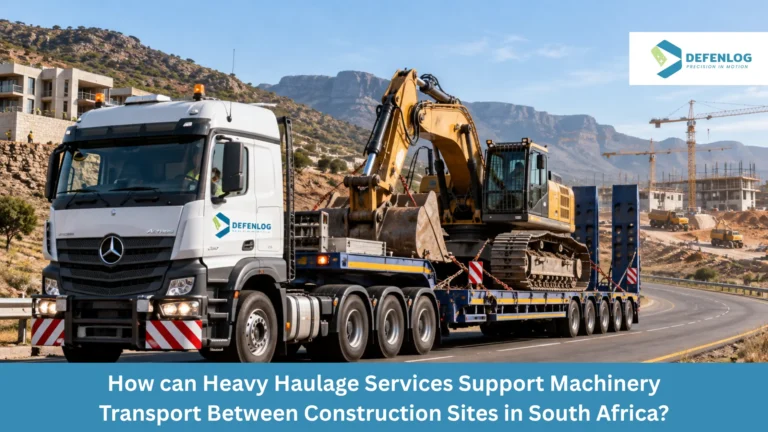
Moving explosives, dangerous goods, military materials, heavy equipment, or sensitive project cargo is very different.
The transport partner must understand the cargo, legal requirements, route conditions, safety risks, and delivery timeline. Before choosing a high-risk road freight partner in South Africa, ask questions that show whether the company is genuinely prepared to manage the movement.
Why Choosing the Right High-Risk Road Freight Partner Matters?
High-risk road freight may include dangerous goods, explosives, military equipment, abnormal loads, heavy machinery, and high-value materials.
These shipments can involve:
- Cargo classification
- Transport permits
- Driver training
- Vehicle suitability
- Route planning
- Load securing
- Security controls
- Emergency procedures
- Cross-border documentation
One overlooked detail can affect the entire shipment.
An unsuitable vehicle may create safety risks. A missing permit can delay delivery. Poor route planning can lead to restricted roads, low bridges, unsafe stopping points, or unsuitable border posts.
The right partner does more than provide a truck. It controls the movement from planning to delivery.
What Questions should You Ask Before Choosing a Road Freight Partner?
A reliable provider should clearly explain its compliance, safety, communication, and operational procedures. It should also support its answers with valid documentation.
Is the Transport Partner Properly Licensed for High-Risk Cargo?
High-risk cargo may require specific licenses, permits, insurance, driver qualifications, and vehicle documents. Requirements depend on the cargo, route, destination, and whether the shipment crosses a border.
Ask the transport partner:
- What licenses apply to this cargo?
- Who will obtain the permits?
- Are the drivers trained for this load?
- Can valid documents be provided before loading?
- Does the insurance cover the cargo classification?
Avoid accepting a general answer such as, “Yes, we are compliant.”
A professional road transport partner should show how compliance is checked and maintained. Missing or invalid documentation can delay projects, disrupt operations, and create financial or legal risks.
Does the Company have Experience Moving Your Type of Cargo?
A company may have years of general trucking experience but limited knowledge of explosives, dangerous goods, military cargo, or heavy equipment.
Ask questions such as:
- Have you transported this cargo before?
- Have you handled similar weights, dimensions, or risks?
- Which industries do you support?
- Do you understand the loading and unloading requirements?
- Can you explain how a similar shipment was managed?
Relevant experience helps the provider identify risks early.
Heavy machinery may require route surveys, suitable trailers, axle-load planning, permits, and offloading coordination. Explosives and dangerous goods may require stricter controls around vehicles, routes, stopping points, drivers, and emergencies.
General transport experience helps, but cargo-specific experience matters more.
What Safety Standards and Operational Procedures do they Follow?
Safety should be included throughout the transport process.
Ask the provider to explain its procedures for:
- Vehicle inspections
- Driver checks
- Cargo securing
- Route approval
- Safe stopping points
- Tracking and communication
- Incident reporting
- Delivery confirmation
You should also ask whether the company will use its own fleet or subcontract the shipment.
When subcontractors are involved, confirm how they are selected and whether they meet the same licensing, insurance, training, and safety requirements.
You should always know who is physically moving your cargo and who remains accountable if a problem occurs.
Can they Handle Emergency and Time-Critical Deliveries?
Military materials, mining supplies, machinery components, hazardous products, and project equipment may be connected to strict deadlines.
Ask the transport partner:
- Is support available outside normal hours?
- What happens if the vehicle breaks down?
- How are delays communicated?
- Is replacement equipment available?
- Who manages emergency escalation?
- How quickly can the team respond to route disruptions?
A dependable partner should have a clear contingency plan.
Road closures, mechanical issues, severe weather, border congestion, and security risks can still affect a shipment. What matters is how quickly the provider identifies the issue, communicates it, and responds.
Customers need timely updates to manage site teams, delivery windows, equipment, and project schedules.
Can they Support Cross-Border and Long-Distance Road Freight?
Transporting high-risk cargo across South Africa requires careful planning. Moving it into another African country adds customs, border, compliance, and documentation requirements.
Cross-border transport may involve:
- Customs documents
- Transit permits
- Border procedures
- Country-specific regulations
- Cargo restrictions
- Driver documentation
- Security planning
- Delivery coordination
Ask whether the company has experience in the required corridor.
The provider should understand the available routes, practical border posts, safe stopping areas, documentation requirements, and potential clearance delays.
Long-distance transport within South Africa also requires local route knowledge. The journey may include remote locations, difficult terrain, road restrictions, heavy traffic, or limited emergency support.
The shortest route is not always the safest. A reliable provider plans around cargo risk, road conditions, legal requirements, and delivery-site access.
What are the Warning Signs of the Wrong Road Freight Partner?
Watch for these warning signs:
- Licenses or insurance documents are unavailable.
- The quote excludes permits, escorts, or specialized equipment.
- The provider lacks experience with your cargo.
- Route planning is treated as an afterthought.
- Emergency procedures are unclear.
- The company cannot explain who will move the load.
- Tracking and communication are limited.
- Responsibilities are not confirmed in writing.
- The provider gives a quote without asking detailed cargo questions.
A low rate may appear attractive. However, delays, fines, cargo damage, permit issues, and failed deliveries can quickly increase the total cost.
A professional partner will first understand the cargo before recommending a vehicle, route, timeline, and transport solution.
Why do Logistics Businesses Across South Africa Choose Defenlog for High-Risk Road Freight?
Defenlog supports specialized road transport movements across South Africa and selected cross-border routes. As a Trusted Road Transport Partner in South Africa, Defenlog helps businesses manage complex cargo movements with stronger planning, control, and communication.
Its transport capabilities include:
- Dangerous goods
- Explosives and Class 1 cargo
- Military and defense-related materials
- Heavy equipment
- Project cargo
- Sensitive and high-risk loads
Every shipment has different requirements. The transport plan must consider the cargo type, weight, dimensions, risk level, permits, route, delivery site, and project timeline.
Defenlog focuses on the complete movement rather than simply assigning a vehicle. This includes route planning, vehicle coordination, documentation review, shipment communication, and delivery support.
Where required, the plan can also include specialized equipment, security controls, border procedures, and loading or offloading coordination.
This provides customers with better visibility and clearer accountability throughout the journey.
Conclusion
Choosing a high-risk road freight partner requires more than comparing transport rates. You need to confirm that the provider has the right licenses, cargo experience, equipment, safety procedures, route knowledge, communication systems, and emergency support.
A dependable partner will take time to understand your cargo, route, delivery timeline, permit requirements, and site conditions before recommending a transport solution. This level of planning helps reduce delays, improve accountability, and keep the movement under control from loading to final delivery.
Contact us Defenlog, a trusted road transport partner in South Africa, to discuss your high-risk cargo requirements and request a secure road transport quote.