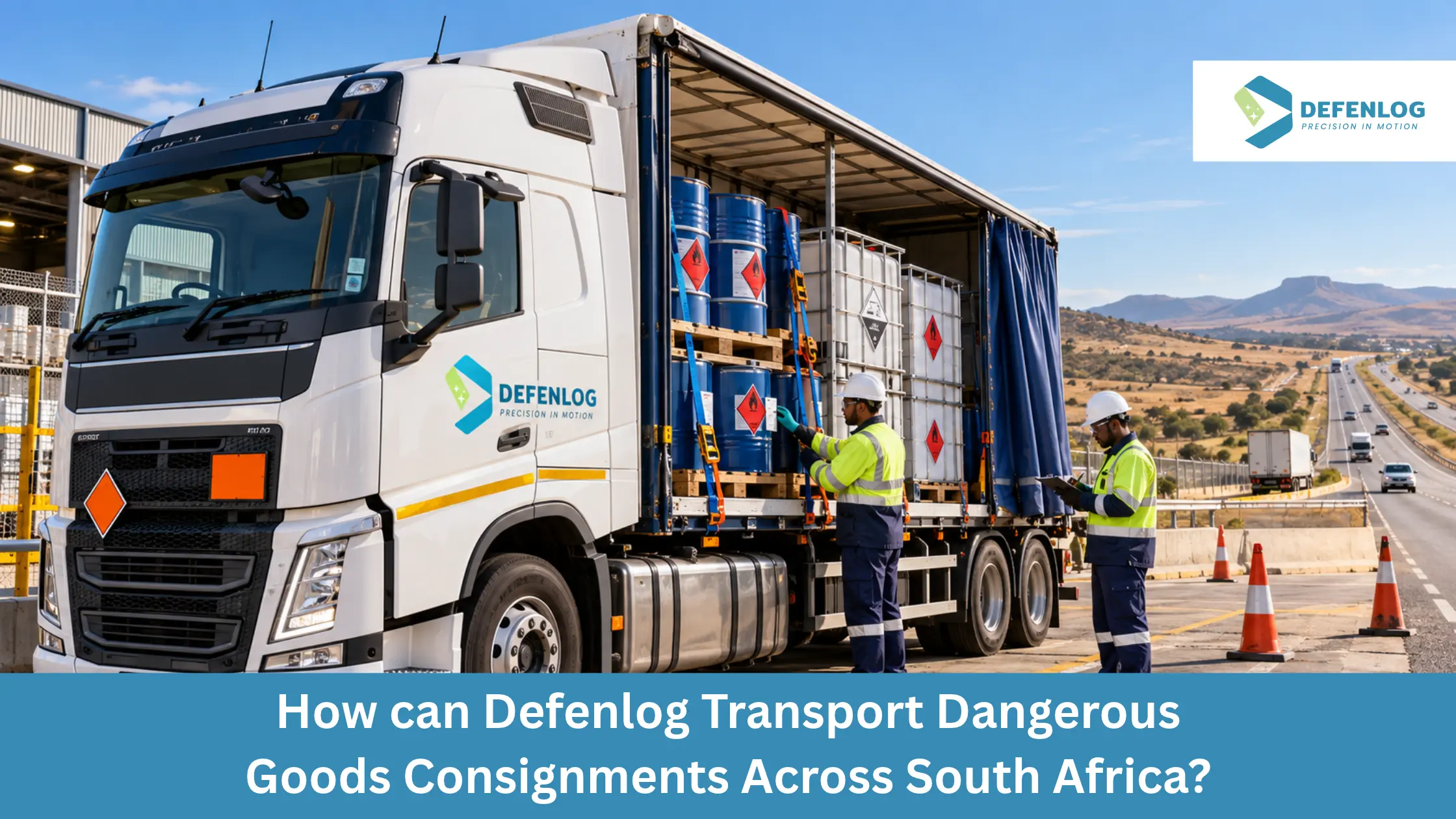
A dangerous goods consignment is ready for collection. The supplier has confirmed the cargo, the receiving site has a delivery window, and the business now needs road transport across South Africa.
At this point, finding an available truck is not enough.
Dangerous goods must be identified correctly, matched with the right transport requirements, and controlled from collection through delivery. Missing cargo information can delay the movement before dispatch.
Defenlog supports dangerous goods consignments across South Africa through structured planning, compliance checks, suitable fleet allocation, controlled execution, and delivery confirmation.
As part of its Specialist Road Transport Services in South Africa, Defenlog helps businesses manage regulated and complex cargo movements with the right level of planning and operational control.
Why does a Dangerous Goods Consignment Need More Planning than General Cargo?
General cargo can often be planned around weight, dimensions, pickup, delivery, and vehicle availability. Dangerous goods add another layer because the cargo classification can affect how the movement must be prepared.
South Africa regulates dangerous goods road transport through the National Road Traffic framework and supporting standards. These cover areas including classification, packaging, operational requirements, emergency information, and documentation. That makes accurate cargo information essential before a vehicle is booked.
Defenlog’s Dangerous Goods Transport service follows this approach by validating the shipment first and then planning the road movement around its requirements.
1. Defenlog Reviews the Consignment Before Dispatch
The first step is understanding exactly what needs to move.
Useful information can include:
- Cargo description
- UN number
- Hazard class
- Quantity and packaging
- Weight and dimensions
- Safety Data Sheet where applicable
- Collection and delivery locations
- Required movement date
These details help establish what the cargo is and what transport controls may apply.
Two consignments with a similar weight can still need different transport arrangements because their classifications or handling risks differ.
2. Classification and Compliance Requirements are Checked
Once the cargo details are available, the movement can be reviewed against the relevant dangerous goods requirements.
Defenlog’s current process includes hazard classification and transport validation, packaging and labelling alignment, documentation checks, and confirmation of compliance requirements before dispatch.
This stage helps identify issues such as missing UN details, unclear classification, unsuitable packaging, or incomplete information before dispatch.
Businesses that need more background can also read Defenlog’s article on what dangerous goods are and why they require strict transport compliance.
3. A Suitable Vehicle is Allocated
Not every dangerous goods consignment should be placed on whichever vehicle happens to be available.
Vehicle selection should consider the cargo type, quantity, load configuration, risk requirements, and conditions of the movement.
Defenlog selects vehicles according to the shipment requirements and manages dangerous goods under controlled transport procedures. Its current service process specifically includes fleet suitability and hazard-ready deployment based on the cargo requirements.
The goal is to match the vehicle to the consignment rather than fit the consignment around an available truck.
For recurring hazardous cargo, structured planning can also improve collection and delivery coordination.
4. The Route, Timing, and Dispatch are Planned
The next question is not only where the cargo is going. It is how the road movement should be executed.
Defenlog provides dangerous goods transport across South Africa’s major commercial corridors, industrial hubs, and regulated transport routes, with a stated operational presence across Gauteng, KwaZulu-Natal, and the Western Cape.
Planning can consider the origin, destination, cargo requirements, operating conditions, and agreed delivery timeline.
This matters when transport must align with production schedules, customer commitments, mine operations, or site operating hours.
5. The Consignment is Moved Under Controlled Execution
After the shipment has been reviewed and the transport plan is ready, execution becomes the focus.
Defenlog states that its dangerous goods movements use trained drivers, safety-controlled procedures, structured dispatch, and movement oversight.
This means the consignment is managed as regulated cargo from pickup through delivery rather than treated like routine road freight.
Customers also need clear movement and delivery updates, especially when the consignment is linked to a plant, mine, or production requirement.
6. Delivery is Confirmed
The movement does not end simply because the vehicle reaches the destination.
Defenlog uses documented movement and proof-of-delivery processes to close out the transport cycle and provide delivery confirmation.
This provides accountability and confirms that the road movement has been completed.
Who can Use Defenlog for Dangerous Goods Transport?
Defenlog can support chemical manufacturers, mining businesses, industrial companies, freight forwarders, and other organizations moving regulated cargo within South Africa.
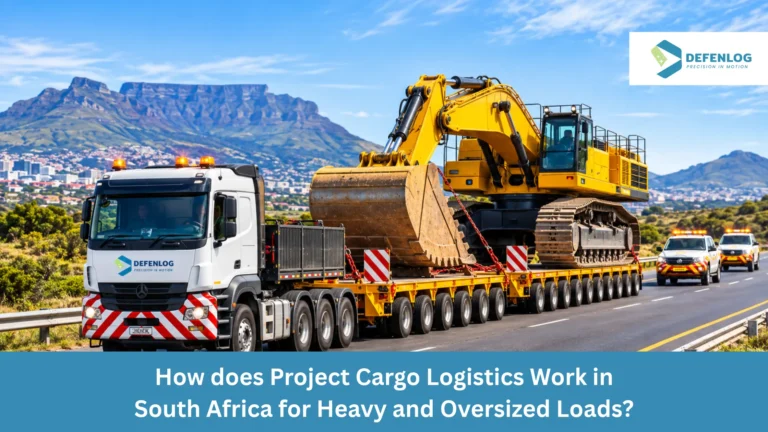
Businesses with mixed transport needs may also require project cargo transport for oversized machinery or industrial equipment alongside dangerous goods movements. Defenlog can support both through cargo-specific road transport planning.
For freight forwarders, Defenlog can support the South African road transport leg while the forwarder continues managing the wider customer and freight relationship.
Businesses comparing transport providers can also read how chemical and mining companies can choose a dangerous goods carrier in South Africa before appointing a road transport partner.
What Should You Send Defenlog for a Dangerous Goods Transport Quote?
Start with the cargo description, UN number and hazard class where applicable, quantity, packaging, weight, collection point, delivery point, required dates, and relevant safety or transport documentation.
If some information is still being confirmed, share what is available rather than guessing.
Defenlog’s team can then review the consignment and determine the appropriate next steps for the proposed movement.
Conclusion
Transporting a dangerous goods consignment across South Africa requires more than arranging a pickup and delivery.
The cargo needs to be understood before dispatch. Classification and transport requirements need to be checked. A suitable vehicle, route, and movement plan must then be aligned before controlled execution begins.
Defenlog brings these steps together through specialist dangerous goods road transport focused on planning, compliance, control, and accountable delivery.
Have a dangerous goods consignment that needs to move? Share the cargo details, collection point, delivery point, and required timeline with Defenlog, or book a free consultation call to discuss the transport requirement with the team.