
A single delayed machine can stall an entire project. Not because the equipment isn’t available, but because transporting it from the port to the site is much more difficult than anticipated. That is the reality that many logistics teams face when working with project cargo in South Africa.
Unlike standard freight, which follows predictable processes, project cargo operates on a different level. It entails oversized loads, tight deadlines, regulatory requirements, and collaboration among multiple stakeholders. In today’s logistics environment, where delays are costly and compliance is non-negotiable, freight forwarders, project managers, and industrial operators must understand the complexities.
What does Project Cargo Actually Mean?
Project cargo is the transportation of large, heavy, high-value, or complex pieces of equipment required for industrial or infrastructure projects. These are not typical container shipments. They frequently include:
- Mining equipment and processing units
- Construction machinery and cranes
- Industrial plant components
- Energy and infrastructure equipment
- Breakbulk cargo that cannot be containerized
What distinguishes project cargo is that it is directly related to project timelines. It is more than just delivery; it is also about ensuring that equipment arrives at the exact time required for installation or operational use.
Why don’t Standard Freight Processes Work Here?
Standard freight operations are designed for consistency and volume. Containers travel along predetermined routes, adhere to fixed schedules, and require little customization.
Project cargo, on the other hand, completely breaks that model.
It requires:
- Custom planning for each shipment
- Flexible routing based on cargo dimensions
- Coordination with multiple stakeholders
- Alignment with project schedules
Applying standard freight processes to project cargo frequently results in delays, compliance issues, and operational disruptions.
Oversized and Overweight Cargo Handling
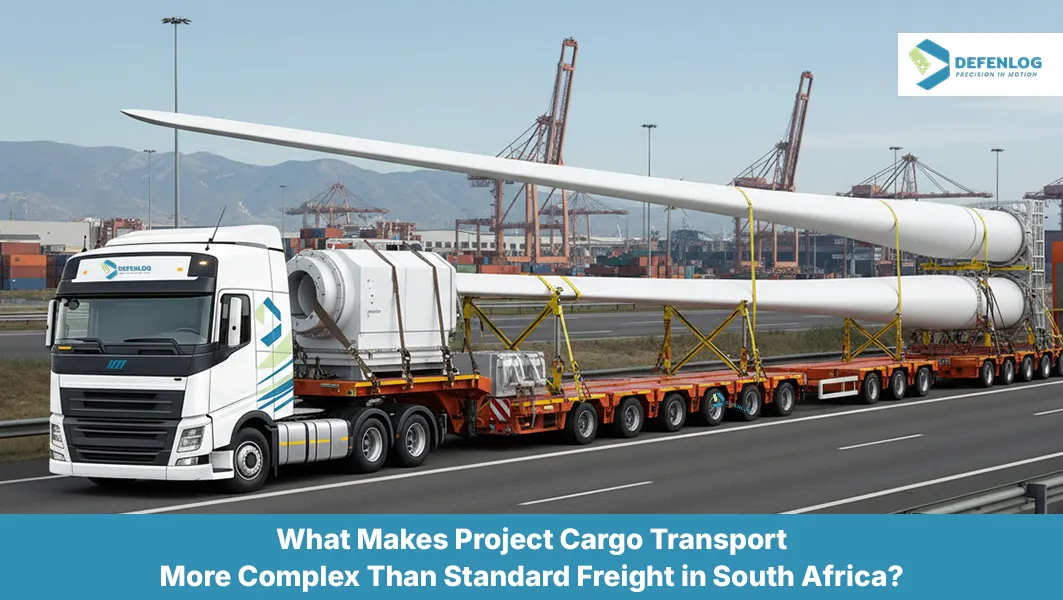
The size and weight of the cargo are two of the most complicated aspects of project cargo transportation. Many project shipments exceed normal road transport capacity, necessitating specialized handling.
This includes:
- Abnormal load classification
- Multi-axle configurations to distribute weight
- Crane-assisted loading and unloading
- Careful handling of sensitive equipment
Even loading becomes a technical operation. Without proper planning, the risk of damage or delay rises dramatically.
Route Planning is Not Optional; It’s Critical
In general, freight routes are frequently selected based on speed or cost. Project cargo routes are determined by feasibility.
Transport teams must assess:
- Bridge height and weight restrictions
- Road width and turning capacity
- Traffic conditions and congestion points
- Legal restrictions on heavy vehicles
A route that works for standard trucks may not work for oversized equipment. This is why route surveys and clearance assessments are essential before any movement begins.
Regulatory and Permit Requirements Add Another Layer
South Africa has strict regulations governing abnormal load transport. These rules are designed to ensure safety, protect infrastructure, and maintain operational standards.
Project cargo transport often requires:
- Special permits for oversized and overweight loads
- Compliance with axle load limits
- Escort vehicles for certain movements
- Adherence to national road transport legislation
Missing or incorrect documentation can prevent a shipment from leaving the port.
Specialised Equipment and Fleet Capability
Not all vehicles are built to handle project cargo. The type of equipment used must match the cargo’s dimensions, weight, and transport requirements.
Common solutions include:
- Lowbed trailers for heavy machinery
- Extendable trailers for long or oversized loads
- Flatbed trailers for irregular cargo
- Multi-axle setups for weight distribution
Fleet capability is more than just availability; it is about suitability. The wrong equipment can jeopardize safety and efficiency.
Coordination Across Multiple Stakeholders
Project cargo transportation requires more than just a shipper and a transporter. It brings together multiple parties, each with its own set of responsibilities.
These typically include:
- Freight forwarders
- Port authorities and terminal operators
- Road transport providers
- Project managers and site teams
- Regulatory authorities
Delays can occur at any stage due to a lack of clear coordination. A missed communication or a misaligned schedule can have far-reaching consequences for the project.
Time Sensitivity and Project Dependencies
Project cargo is closely related to project timelines, in contrast to regular freight. Equipment must arrive in sequence, in accordance with installation schedules and site readiness.
This creates a time-sensitive environment where:
- Delays affect project milestones
- Equipment sequencing becomes critical
- Site readiness must match delivery timing
A delayed shipment is more than just a logistics issue; it’s a project issue.
The Risks of Poor Planning in Project Cargo
When project cargo is not handled properly, the consequences can be severe.
Common risks include:
- Delivery delays are impacting project timelines
- Increased costs due to re-routing or storage
- Damage to high-value equipment
- Regulatory penalties for non-compliance
- Operational downtime at project sites
These risks highlight why project cargo necessitates a structured and disciplined approach.
How does Structured Road Transport Solve these Challenges?
The complexity of project cargo can be effectively managed using structured planning and execution. A controlled approach centers on:
- Detailed load profiling
- Matching cargo with suitable trailers
- Conducting route surveys and clearance checks
- Managing permits and regulatory compliance
- Coordinating delivery schedules with project teams
This transforms project cargo from a reactive process to a controlled operation.
How does Defenlog Handle Project Cargo Differently?
Defenlog approaches project cargo transportation with precision, planning, and operational discipline. Instead of treating each shipment as a one-time movement, the process is designed from start to finish.
This includes:
- Load assessment and transport planning
- Specialised trailer deployment
- Route and clearance evaluation
- Compliance with abnormal load regulations
- Coordinated delivery aligned with project timelines
By combining these components, Defenlog ensures that project cargo moves safely, efficiently, and in accordance with operational requirements.
Project Cargo Across South Africa and Africa
As projects cross national boundaries, project cargo transport must adapt to regional challenges. Moving equipment across Africa adds complexity, such as the following:
- Cross-border regulations and permits
- Infrastructure variability
- Longer transit routes
- Increased coordination requirements
This makes it even more critical to collaborate with transportation partners who understand both local and regional logistics landscapes.
Conclusion: Complexity Requires Expertise
Project cargo transport is more than just moving equipment; it is also about supporting entire projects. It necessitates planning, coordination, compliance, and execution at all stages.
The first step for logistics professionals and freight forwarders is to understand the complexities. The next step is to choose the right partner.
If you are looking for a specialized road transport partner in South Africa and Africa who can manage your project cargo with precision and dependability, Defenlog is ready to assist.
Contact us today to discuss your project cargo requirements and ensure that your equipment arrives safely, efficiently, and on time.