
The transport rate looks good when the quotation comes in. But the final cost can change once the movement starts.
The vehicle may not be the right fit for the load. The truck may spend hours waiting at collection or delivery. A route may need to be changed, or another trip may be required because the original movement was not planned around the cargo.
For freight forwarders, these issues can make the road transport leg harder to manage and can affect the cost passed on to the customer.
A cost-effective road transport movement is therefore not simply about finding the lowest rate. It is about giving the transport provider the right shipment information and working with a partner that can turn those requirements into a suitable vehicle, route, schedule, and delivery plan.
So, where can a road transport partner help reduce unnecessary costs without affecting delivery reliability?
Why can Road Transport Costs Become Higher than Expected?
The quoted rate covers the planned movement, but several operational issues can increase the actual cost.
An unsuitable vehicle can create loading problems or require a replacement. Poor route planning can add unnecessary distance or delays. If the cargo is not ready when the truck arrives, waiting time can affect the movement. At the delivery point, limited access or an unavailable receiving team can create further delays.
Other costs can come from:
- Additional trips
- Route changes
- Vehicle waiting time
- Extra loading or unloading
- Delivery rescheduling
- Poor coordination between collection and delivery points
For freight forwarders, these costs can be difficult to control if the road transport provider only focuses on the initial quotation.
The better approach is to look at how the complete movement will be planned and managed.
How does a Road Transport Partner Help Keep Transport Costs Under Control?
A good road transport partner should take the cargo and delivery requirements provided by the freight forwarder and build the transport movement around them.
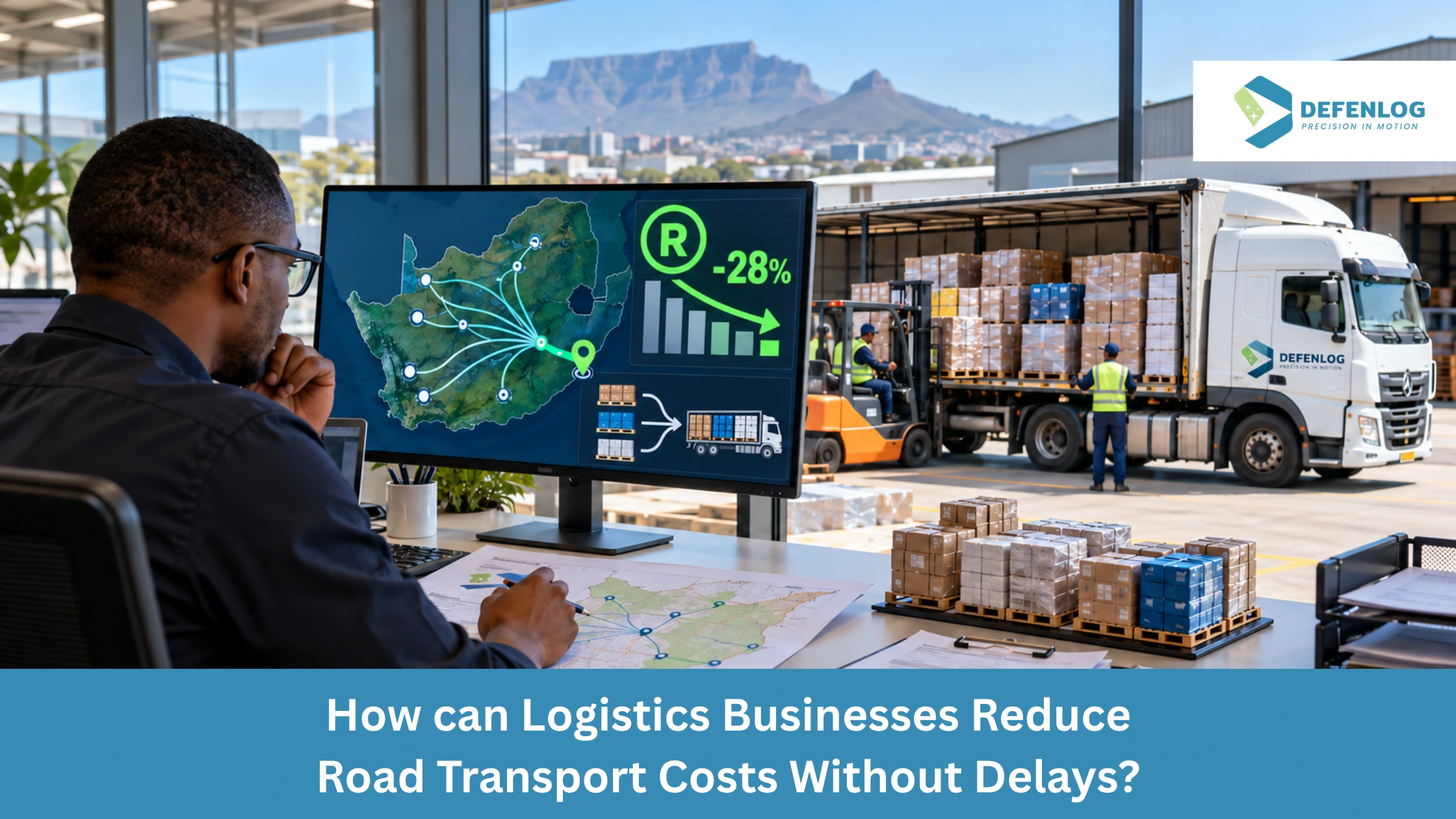
This includes selecting suitable transport, planning the route, coordinating collection and delivery, monitoring the movement, and completing the final handover.
Selecting the Right Vehicle for the Load
Vehicle selection should be based on the actual cargo rather than simply on availability.
The transport provider should consider the cargo type, quantity, weight, dimensions, loading method, and delivery location before assigning a vehicle.
Using a vehicle with more capacity than the shipment requires can increase the transport cost. On the other hand, an unsuitable vehicle may lead to loading problems, delays, or the need for another vehicle.
For freight forwarders, providing accurate cargo details allows the transport partner to select a more suitable vehicle from the start.
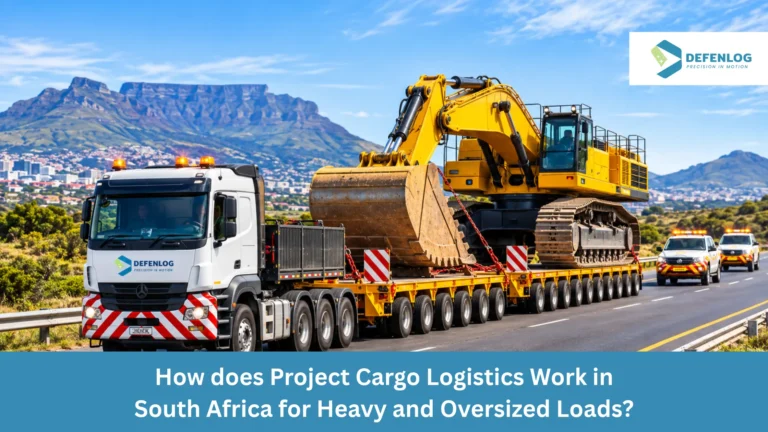
When the load is heavy, oversized, or requires specialist handling, the difference between general and specialist road transport can also affect the transport setup.
Planning the Route Before Dispatch
The route should be assessed before the truck starts moving.
The transport provider needs to consider the cargo, vehicle, distance, road conditions, traffic, delivery location, and any access restrictions that could affect the movement.
The shortest route is not always the most suitable one. A practical route can help avoid unnecessary distance, detours, delays, and changes during transit.
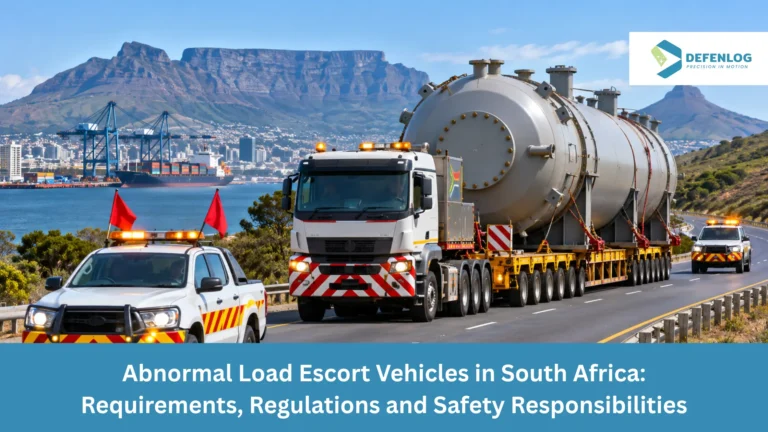
For heavy or specialist cargo, route suitability becomes even more important because road width, bridge limits, clearances, and vehicle restrictions may affect how the movement can be carried out.
Planning the Load to Avoid Extra Trips
The number of trips can have a direct effect on transport costs.
The transport provider should look at the cargo quantity, weight, dimensions, and available vehicle capacity before dispatch. Proper load planning can help avoid sending another vehicle simply because the first movement was not planned around the full requirement.
This does not mean combining every shipment. Urgent cargo, different delivery locations, cargo characteristics, and customer schedules still need to be considered.
The aim is to use the available transport capacity properly while keeping the movement practical.
Coordinating Collection and Delivery
Waiting time can add cost even when the truck is not moving.
If the cargo is not ready at collection or the receiving location cannot accept the delivery, the vehicle may spend hours waiting. That can affect the driver’s schedule and the next planned movement.
A transport partner can help reduce this by confirming collection timing, delivery windows, site access, receiving contacts, and unloading arrangements before dispatch.
Better coordination means the vehicle arrives when the cargo or receiving location is ready rather than simply arriving as soon as possible.
Tracking the Shipment During Transit
Shipment tracking does not reduce the quoted transport rate. Its value comes from helping the transport team respond to delays while the movement is still underway.
If traffic, road conditions, or another issue affects the estimated arrival time, early information allows the transport team to communicate with the receiving location.
This can help avoid secondary costs such as missed delivery windows, unnecessary waiting, rescheduling, or additional vehicle time.
For freight forwarders, timely updates also make it easier to keep their customers informed about the shipment.
Scheduling Dispatch Around the Delivery Requirement
Dispatch timing should be based on the actual collection and delivery requirements.
The transport provider can consider when the cargo will be ready, the agreed delivery window, site operating hours, expected travel time, and other conditions before releasing the vehicle.
This can help avoid situations where the truck arrives too early and waits, or reaches the destination after the receiving window has closed.
Good dispatch planning is about matching the vehicle movement with the customer’s schedule.
Managing the Movement through Final Handover
Road transport does not end when the truck reaches the destination.
The transport provider should maintain communication during the movement and make sure the delivery is completed properly. Final handover and proof of delivery give the freight forwarder confirmation that the cargo reached the intended destination.
Managing the movement through this final stage helps prevent delivery issues from being left unresolved and gives the customer a clear record of completion.
What should Businesses Look for in a Cost-Effective Road Transport Partner?
For freight forwarders, the lowest quotation should not be the only deciding factor.
Look at whether the transport provider can:
- Match vehicles to the actual cargo
- Plan suitable routes before dispatch
- Coordinate collection and delivery
- Provide shipment updates
- Explain the quotation clearly
- Handle changes during transit
- Confirm final delivery
The important question is not only what the transport costs are at the beginning. It is whether the provider can complete the movement without creating avoidable costs along the way.
What Happens When Businesses Choose Road Transport Based Only on Price?
A low rate can become expensive when the transport arrangement does not fit the shipment.
An unsuitable vehicle may require a change. Poor planning may lead to extra kilometers or waiting time. A missed delivery window may require rescheduling. These problems can add cost after the original quotation has already been accepted.
For freight forwarders, this can also create extra work when the customer needs an explanation for a delayed or changed delivery.
That is why transport cost should be considered together with the carrier’s ability to manage the movement properly.
Why Choose Defenlog for Cost-Effective Road Transport in South Africa?
For freight forwarders arranging road transport across South Africa, Defenlog focuses on managing the movement around the actual cargo and delivery requirements. Its Specialist Road Transport Services in South Africa combine suitable vehicle allocation, route planning, dispatch coordination, and delivery control to help avoid unnecessary transport costs.
From collection to final handover, Defenlog coordinates the road movement and keeps the freight forwarder informed throughout the process. This practical approach helps businesses manage transport costs while keeping cargo movements reliable and on schedule.
Conclusion
Road transport cost is not determined by the quotation alone.
The vehicle selected, route planned, load arrangement, collection timing, delivery coordination, and movement management can all affect the final cost.
For freight forwarders, the better approach is to work with a road transport partner that understands the shipment requirements and manages the movement around them.
Defenlog provides road freight transport across South Africa with vehicle allocation, route planning, dispatch coordination, movement oversight, and delivery confirmation built into the transport process.
Looking to control road transport costs without compromising delivery reliability? Contact us at Defenlog to discuss your road transport requirements across South Africa.