
A hazardous chemical shipment may be packed and ready for collection, but it cannot simply be loaded onto any truck and moved. The cargo classification, vehicle, transport documents, route, and delivery conditions all need to match the requirements of the shipment.
If any of these are missed, chemical logistics companies can face delays, compliance issues, and problems during the road movement. That is why the transport requirements need to be checked before the cargo leaves the collection point.
So, what are the key requirements for transporting hazardous chemicals by road in South Africa? In this blog, we explain what needs to be in place for a safe, compliant, and well-planned road movement.
What are Hazardous Chemicals?
Hazardous chemicals are substances or mixtures that can harm human health, property, or the environment due to their physical, chemical, or toxic properties. These may include chemicals that are flammable, corrosive, toxic, reactive, or otherwise dangerous during transport.
When these chemicals are classified as dangerous goods, specific requirements apply to how they are identified, packaged, marked, labelled, and transported by road. Their UN number and hazard class help determine the requirements that apply to the movement.
In South Africa, dangerous goods road transport is regulated under the National Road Traffic Act and relevant South African National Standards (SANS).
For chemical logistics companies, this means hazardous chemicals cannot be moved in the same way as ordinary commercial freight. The cargo must first be correctly identified and the applicable transport requirements understood before the road movement begins.
What are the Key Requirements Before Transporting Hazardous Chemicals?
Before transporting hazardous chemicals by road in South Africa, the cargo must be correctly classified, packed, labelled, and documented. The road transport provider must also ensure that the vehicle, driver, route, and safety arrangements meet the applicable requirements.
1. Correct Chemical Classification
Every hazardous chemical must be identified using the correct transport classification, including its UN number and hazard class where applicable. The Safety Data Sheet (SDS) provides important information about the chemical and its transport hazards.
This helps the road transport provider understand the risks and determine the necessary transport requirements.
2. Suitable Packaging, Marking, and Labelling
Hazardous chemicals must be packed in suitable, compatible packaging that meets the applicable transport requirements. Packages must also carry the correct markings and hazard labels.
These details help drivers and handling teams identify the cargo and understand the precautions needed during transport.
3. Appropriate Vehicle and Trained Driver
Not every truck is suitable for transporting hazardous chemicals. The road transport provider must select a vehicle that meets the requirements of the cargo and ensure that the driver has the necessary dangerous goods training and qualifications.
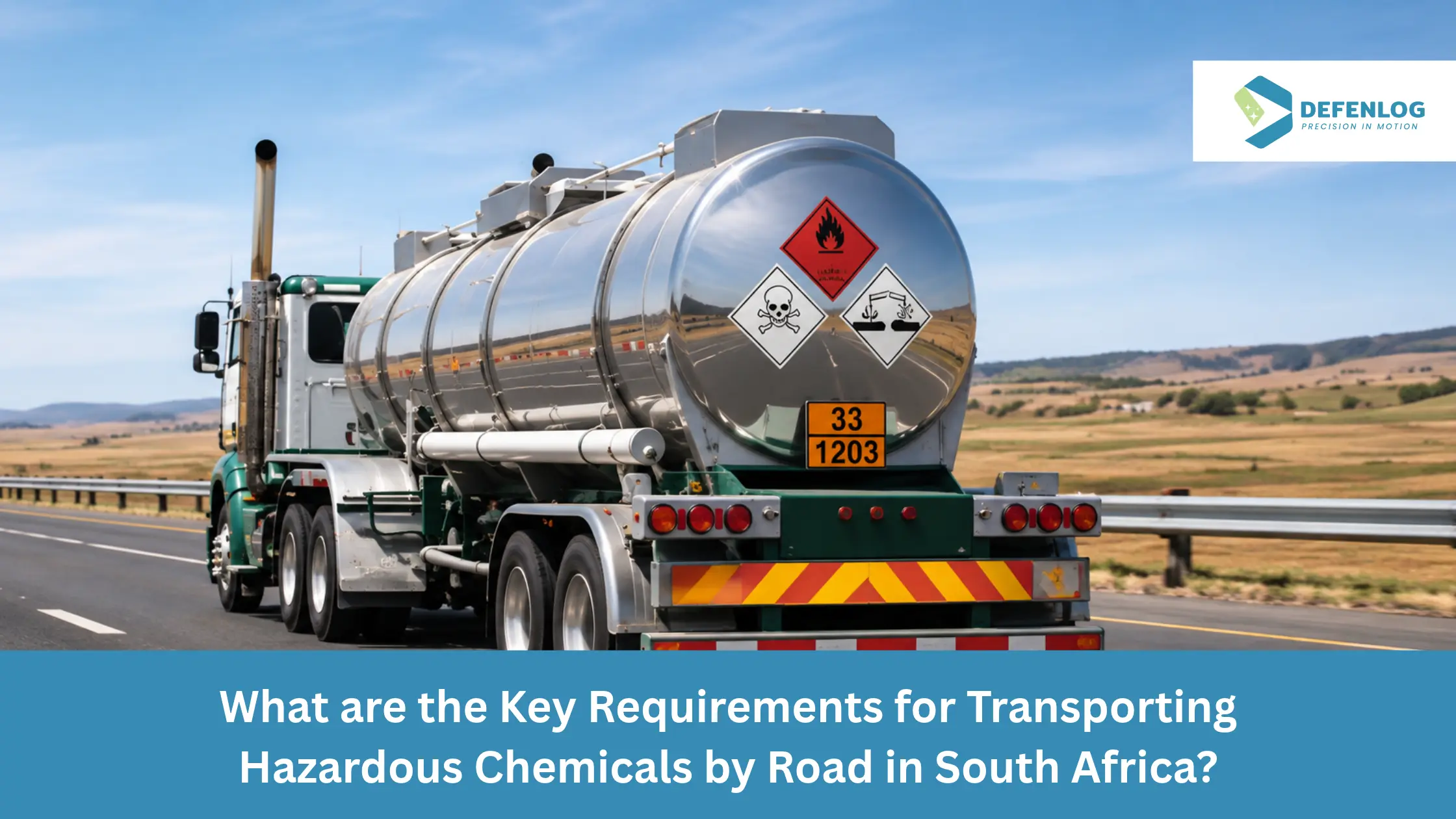
The vehicle must also carry the required safety equipment and display the appropriate dangerous goods placards where applicable.
4. Accurate Transport Documentation
The required transport documents must be prepared and checked before dispatch. Depending on the chemical and its classification, these may include the transport emergency card, dangerous goods declaration, classification details, and other required documents.
Accurate documentation helps the driver, transport provider, and emergency responders understand the cargo and its associated risks.
5. Route Planning and Emergency Preparedness
The transport provider must assess the route based on the chemical cargo, road conditions, applicable restrictions, and delivery location.
Emergency procedures and the required safety equipment must also be in place to respond to incidents such as leaks, spills, or accidents during the journey.
6. Safe Loading, Securing, and Delivery
Hazardous chemicals must be loaded, positioned, and secured correctly to prevent movement or damage during transport. Any applicable segregation requirements must also be followed.
Collection arrangements, delivery-site access, unloading conditions, and final handover should be confirmed in advance to help ensure the cargo reaches its destination safely.
What are the Risks of Transporting Hazardous Chemicals Without Proper Planning?
A small mistake in hazardous chemical road transport can lead to serious problems. If the cargo is not properly prepared or handled, it can put drivers, other road users, and nearby communities at risk.
Here are some of the problems that can occur:
- Chemical spills and leaks: Damaged packaging or poorly secured cargo can cause chemicals to leak during transport.
- Accidents and injuries: Using an unsuitable vehicle or handling chemicals incorrectly can increase safety risks on the road.
- Legal and compliance issues: Missing documents, incorrect labels, or failure to follow transport regulations can lead to fines and delays.
- Environmental damage: Chemical spills can contaminate land and water, resulting in costly cleanup work.
- Delivery disruptions: Transport incidents can delay shipments, affect production schedules, and create problems for customers waiting for their cargo.
For chemical logistics companies, these problems can affect both safety and daily business operations. Choosing an experienced road transport partner helps reduce these risks and ensures the cargo is handled with the care it requires.
How Does Defenlog Transport Hazardous Chemicals Safely Across South Africa?
Defenlog provides specialist road transport services for dangerous goods and hazardous chemicals across South Africa. The company focuses on safe handling, proper planning, and compliance to move regulated cargo from collection to delivery.
Before transport begins, Defenlog reviews the chemical cargo details, including its classification, packaging, quantity, and delivery requirements. Based on these details, the team arranges a suitable vehicle, trained driver, and route while checking the necessary transport documents and safety requirements.
During transport, Defenlog coordinates collection, loading, road movement, and delivery arrangements. Clear communication and operational oversight help keep the shipment on track until it reaches its destination.
For chemical logistics companies, Defenlog offers a reliable road transport partner for moving hazardous cargo between manufacturing plants, warehouses, mines, and industrial sites across South Africa.
Conclusion
Safe hazardous chemical road transport starts with proper cargo classification, suitable packaging, accurate documentation, and the right vehicle and trained driver. Every requirement must be checked before dispatch to reduce risks, meet applicable regulations, and protect people, property, and the environment.
For chemical logistics companies, working with a specialist road transport provider is essential when moving regulated cargo. Defenlog supports these movements across South Africa through careful planning, compliance checks, trained personnel, and operational oversight from collection to delivery.
Planning to transport hazardous chemicals across South Africa? Contact us at Defenlog today to discuss your cargo requirements and arrange specialist road transport with safety and compliance at every stage.