
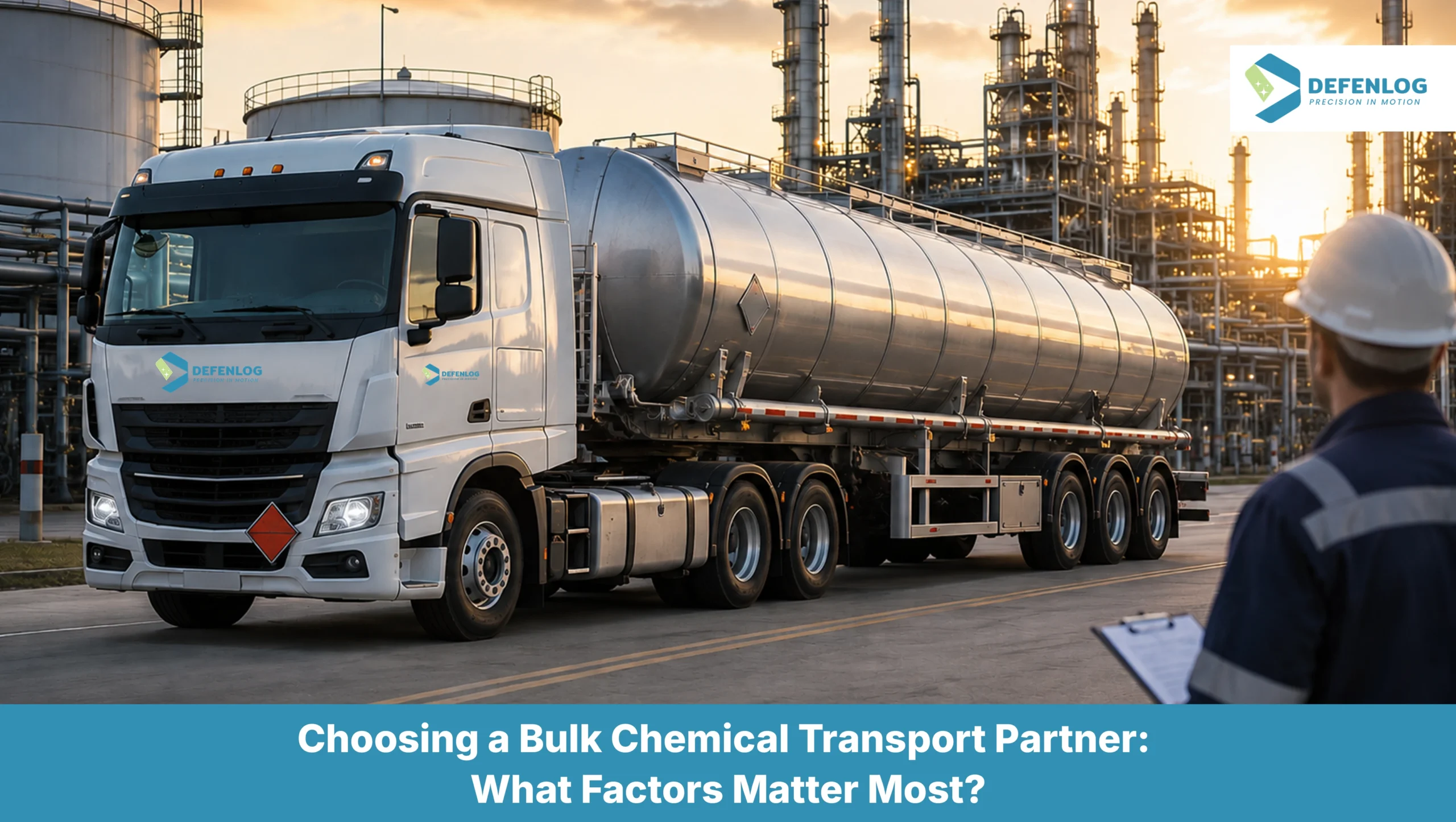
Moving bulk chemicals isn’t the same as transporting everyday freight. Every shipment requires careful planning, the right equipment, and experienced professionals who understand the responsibility behind high-risk cargo movement. A small mistake in handling, vehicle selection, or compliance can create serious safety risks and operational challenges.
For businesses transporting chemicals, dangerous goods, or regulated materials, choosing the right transport partner is not just about finding a truck, it’s about finding a team that can move your cargo safely, efficiently, and without compromise.
What is Bulk Chemical Transport, and Why is it Different From Regular Freight?
Bulk chemical transport is the movement of large quantities of chemical products through specialized road freight solutions. These materials can include industrial chemicals, hazardous substances, and regulated cargo that require additional safety measures throughout transportation.
Unlike standard freight, chemical products often have unique handling requirements. Some chemicals may be flammable, corrosive, sensitive, or require specific safety controls during movement. Because of this, every shipment needs proper planning, experienced teams, and suitable transport equipment.
Moving dangerous goods is more than just loading cargo and getting it there. Transporters have to consider the chemical, packaging, stability of the cargo, routes and emergency preparedness.
A successful bulk chemical transport operation focuses on protecting:
- People
- Cargo
- Equipment
- Environment
- Business operations
The goal is not only to deliver on time, but it’s also to ensure every movement is completed safely and responsibly.
Why Choosing the Right Bulk Chemical Transport Partner Matters?
Choosing a bulk chemical transport partner is one of the most important decisions for businesses handling hazardous or sensitive materials. The wrong partner can lead to more than shipment delays, it can increase safety risks, compliance issues, and operational disruptions.
A transport provider without the right expertise may struggle with proper handling procedures, safety requirements, or unexpected challenges during the journey.
Common challenges businesses face include:
- Incorrect cargo handling
- Compliance failures
- Poor transport planning
- Increased safety exposure
- Limited emergency support
Industry insights show that a significant number of transport-related incidents are connected to human error and improper procedures, highlighting why experienced teams and strict operational controls are essential.
A reliable chemical transport partner doesn’t just move cargo, they manage risk throughout the entire journey.
Factor 1: Does the Transport Partner Prioritize Safety and Risk Management?
Safety is the first thing businesses should look for when selecting a bulk chemical transport company. Chemical transportation involves materials that need careful handling, controlled processes, and responsible movement.
A safety-focused partner builds protection into every stage, from planning to final delivery.
This includes:
- Safe loading and unloading procedures
- Experienced drivers trained for high-risk cargo
- Route planning and risk assessments
- Continuous communication during transport
- Emergency response readiness
When transporting dangerous goods, explosives, or regulated chemicals, safety cannot be treated as an additional feature, it must be part of everyday operations.
A reliable transport partner understands that preventing risks is always better than reacting to problems later.
Factor 2: Do they Have the Right Licensing and Compliance Standards?
Compliance plays a major role in bulk chemical road transport. Businesses need confidence that their cargo is handled according to required safety standards and transport regulations.
A professional transport partner should have proper processes, trained teams, and compliant operations to handle regulated cargo.
Strong compliance includes:
- Approved transport procedures
- Correct documentation management
- Vehicle suitability checks
- Driver safety training
- Hazardous goods handling knowledge
For high-risk cargo, even a small compliance mistake can result in delays, penalties, or serious safety concerns.
The right transport provider treats compliance as a responsibility, not just a requirement.
Factor 3: Can They Provide the Right Fleet and Specialized Equipment?
Not every vehicle is designed for bulk chemical transport. The type of transport used depends on the chemical type, packaging, volume, and safety requirements.
Choosing the correct vehicle helps reduce risks, protect cargo, and improve overall transport efficiency.
What Types of Road Transport Are Used for Bulk Chemical Movement?
Bulk chemical transportation requires suitable road freight equipment designed to handle different types of chemical and industrial cargo.
Tautliners — Protected Transport for Packaged Chemicals
Tautliners are commonly used for packaged chemicals, palletized dangerous goods, and industrial materials that require protection from external conditions. The curtain-side design allows easier loading and unloading while keeping cargo protected during long-distance movement.
They provide flexibility for chemical shipments that require both accessibility and secure transport.
Flatbeds — Flexible Solutions for Heavy and Specialized Chemical Cargo
Flatbed trailers are used to transport oversized chemical equipment, industrial components, containers, and project-based cargo that cannot fit in enclosed trailers.
Because flatbeds allow loading from multiple angles, they are suitable for large or irregular cargo. Proper securing systems and transport planning are essential to ensure safe movement.
Containerized Transport — Secure Movement for Regulated Cargo
Containerized transport solutions are used when chemicals are packed in approved containers or specialized units. This helps maintain cargo security while supporting safer movement of regulated materials.
For some chemical movements, specialized tankers may also be required, depending on the product type and transport conditions.
The right partner understands that every chemical shipment is different and selects the correct transport solution based on safety, compliance, and operational needs.
Factor 4: Are They Reliable With 24/7 Operations and Delivery Support?
Chemical logistics does not always follow a simple schedule. Some shipments are urgent, time-sensitive, or connected to critical operations where delays can create major problems.
That’s why reliability and availability matter.
A dependable bulk chemical transport partner provides continuous operational support through:
- Faster communication
- Emergency response coordination
- Time-critical movement support
- Better shipment control
Having a team available 24/7 helps businesses keep operations moving while ensuring cargo remains managed throughout the journey.
Why Defenlog is the Right Bulk Chemical Transport Partner Across Africa?
Choosing a bulk chemical transport partner comes down to trust, expertise, and the ability to manage risk. Businesses need more than a transport provider, they need a specialist who understands the complexity of moving sensitive cargo.
This is where Defenlog makes the difference. Recognized for delivering some of the best road transport solutions across Africa, Defenlog specializes in moving bulk chemicals, dangerous goods, explosives, military goods, and other high-risk cargo with a strong focus on safety and compliance.
Defenlog’s approach is built around:
- Licensed and compliant transport solutions
- Specialized handling of explosives and dangerous goods
- Comprehensive goods-in-transit insurance
- 24/7/365 operational availability
- Experienced teams focused on risk-controlled transport
- Reliable planning from pickup to final delivery
With the right fleet capability and expertise, Defenlog helps businesses move complex cargo safely while reducing operational risks.
Because when the cargo requires special care, the transport partner you choose matters.
Conclusion — Choose a Partner that Protects More than Your Cargo
Bulk chemical transport requires more than a vehicle on the road. It requires specialized equipment, experienced professionals, knowledge of compliance, and a safety-first approach at every stage.
Choosing the right partner helps businesses protect their cargo, reduce risks, and maintain reliable transport operations across Africa.
Defenlog continues to provide specialized road freight solutions designed for bulk chemicals, dangerous goods, explosives, and other high-risk cargo.
Looking for a trusted bulk chemical transport partner? Contact us today and work with Defenlog, a team committed to moving your cargo safely, securely, and without compromise.