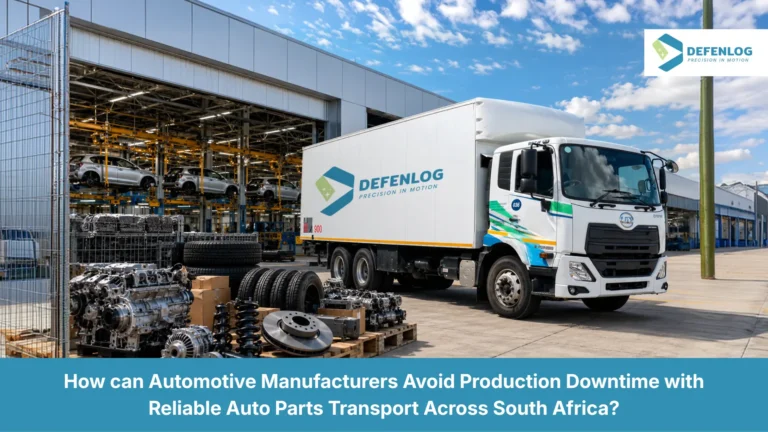

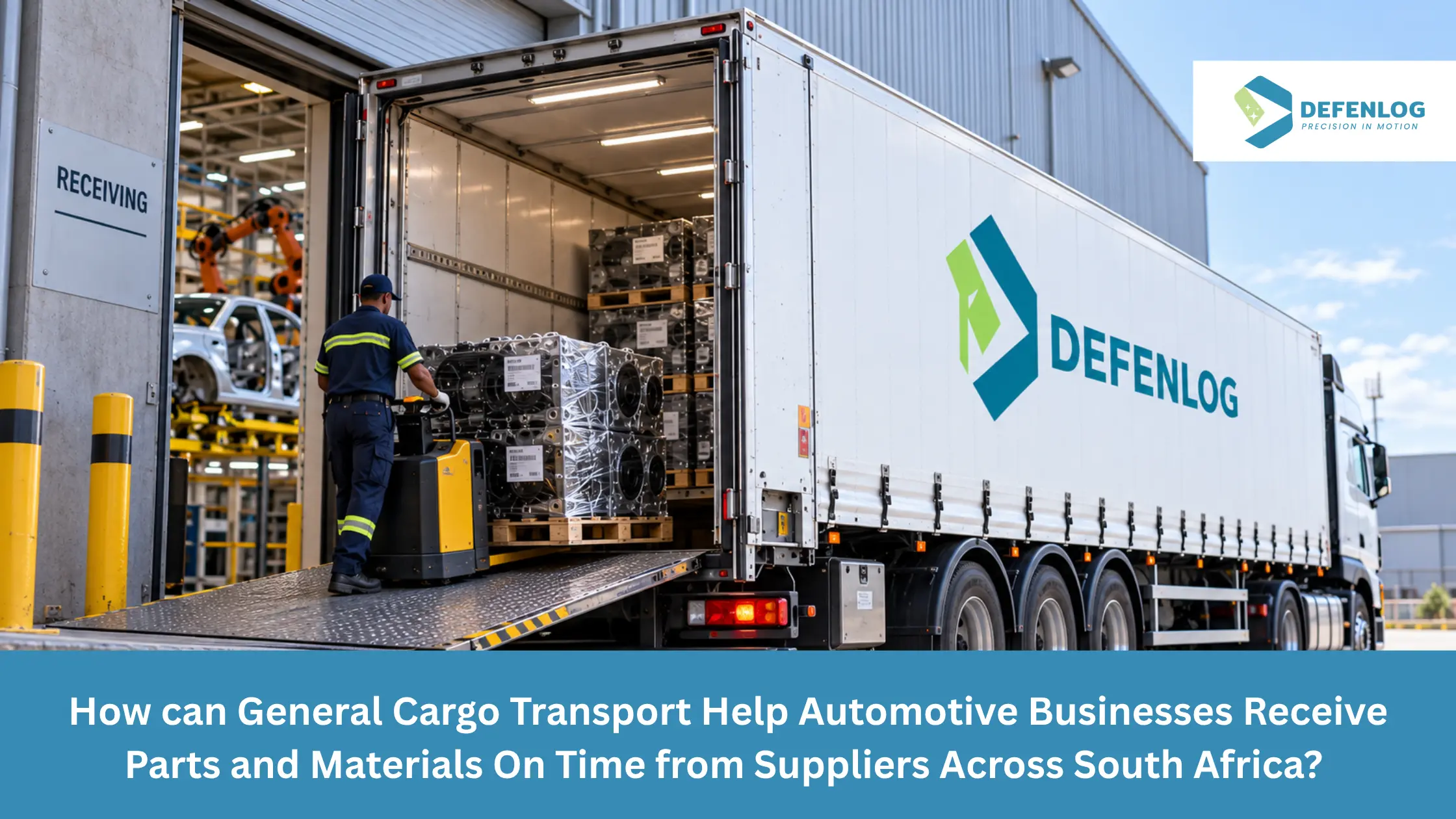
The parts were ready. The plant was waiting. The truck was still on the road.
Automotive manufacturers depend on suppliers for a steady flow of components, consumables, packaging, and production materials. When a collection is missed, loading starts late, or a vehicle arrives outside the receiving window, stock availability and daily operations can quickly be affected.
That is why general cargo transport needs to work around the business’s supply schedule. The movement should be planned so parts and materials reach the manufacturing facility when they are actually needed.
So, how can automotive businesses keep supplier deliveries moving on time across South Africa?
This avoids repeating vehicle, travel time, delivery details before sections start.
What Happens When Automotive Parts do Not Reach the Manufacturing Facility on Time?
When automotive parts do not arrive on time, the impact can quickly move beyond transport and affect daily factory operations.
Automotive manufacturers often work with planned production schedules and regular supplier deliveries. If a required component is missing when it is needed, the next stage of work may have to wait. Reliable auto parts transport can help reduce the risk of these delays affecting production.
Late deliveries can lead to:
- Production may stop.
- Workers may stay idle.
- Output targets may be missed.
- Urgent transport may be needed.
- Customer deliveries may be delayed.
The risk is higher when the manufacturer keeps limited stock or depends on frequent supplier replenishment. In these situations, one late shipment can affect more than inventory it can interrupt the work planned for that day.
Where can Delays Happen Between the Supplier and Manufacturing Facility?
Delays between a supplier and manufacturing facility can happen at several stages of the road transport journey. Even when the parts are ready on time, poor transport planning can still push the delivery behind schedule.
Road Transport Delays
- Document Issues: Missing or incorrect shipment details can delay dispatch or create problems during the journey.
- Poor Route Planning: Road restrictions, construction zones, unsuitable roads, or access limits can increase travel time.
- Traffic and Road Disruptions: Congestion, accidents, roadworks, or unexpected closures can delay the planned arrival.
Manufacturing Facility Delays
- Missed Receiving Slots: If the vehicle arrives outside the booked delivery window, unloading may be delayed.
- Unloading Resources Are Not Ready: Forklifts, cranes, dock space, or handling teams may not be available when the truck arrives.
- Receiving Checks Take Longer: Quantity checks, condition checks, or internal approvals can delay final handover.
This is why automotive deliveries need more than a truck and driver. A specialist road transport partner should understand where delays can happen and prepare the movement before those issues affect the delivery schedule.
How can General Cargo Transport Support On-Time Deliveries from Supplier to Factory?
General cargo transport can make regular automotive supply movements more dependable when deliveries are planned as an ongoing requirement rather than arranged one load at a time.
Instead of arranging every load at the last minute, the movement can be scheduled around expected cargo volumes and delivery needs.
A reliable general road transport service in South Africa can support this through:
- Planned Transport Schedules: Set regular movements around expected supply needs.
- Fleet Capacity Planning: Match vehicle availability to load size and frequency.
- Coordinated Dispatch: Prioritize loads based on required delivery times.
- Clear Communication: Keep businesses informed while cargo is moving.
- Delivery Accountability: Confirm final delivery with proof of delivery.
This gives automotive businesses a more consistent way to move regular parts and materials from suppliers to manufacturing facilities without relying on last-minute transport arrangements.
What should Automotive Businesses Look for in a Road Transport Partner?
Automotive businesses can improve the safety and reliability of regular parts deliveries by choosing a transport partner that understands both the cargo and the operating pressure behind the delivery.
Look for:
- Automotive Cargo Knowledge: Understanding how parts and production materials need to move.
- Load Protection: Proper handling and securing during transport.
- Reliable Fleet Capacity: Enough suitable vehicles to support regular requirements.
- Safety Standards: Roadworthy vehicles and professional drivers.
- Goods-in-Transit Insurance: Appropriate protection for cargo while it is being moved.
- Operational Support: Ability to manage regular and time-sensitive movements.
Choosing a partner with these capabilities helps keep automotive parts deliveries safe, reliable, and on time from supplier to manufacturing facility.
Why Choose Defenlog for General Cargo Transport Across South Africa?
Defenlog provides general and specialist road transport across South Africa for commercial and industrial cargo.
Its General Transport service is supported by structured operations, professional drivers, roadworthy vehicles, clear communication, and proof-of-delivery processes.
For automotive businesses, this can support the regular movement of parts, materials, supplies, and other general cargo between suppliers, warehouses, workshops, distribution points, and manufacturing facilities.
Defenlog gives businesses a road transport partner that can support ongoing supply movements while keeping safety, delivery requirements, and operational reliability in focus.
Conclusion
Reliable supplier deliveries play an important role in keeping automotive operations running as planned.
When general cargo transport in South Africa is managed consistently, businesses can reduce missed delivery windows, unnecessary urgent transport, and disruptions between suppliers and manufacturing facilities.
Need reliable general cargo transport for your automotive supply requirements?
Contact us at Defenlog to discuss your cargo, collection points, delivery locations, and road transport requirements across South Africa.