
A shipment doesn’t fail because a truck wasn’t available. It fails because planning broke down somewhere between collection and delivery. A missed dispatch window, a poorly assigned vehicle, unclear routing, or lack of communication, these are the real reasons why general freight operations lose reliability.
Across South Africa, businesses are moving more cargo than ever. Manufacturing cycles are tighter, distribution networks are expanding, and supply chains are expected to deliver faster with fewer disruptions. But with this growth comes pressure. Freight forwarders, distributors, and industrial operators are constantly balancing cost, timelines, and operational control.
General road transport in South Africa may appear routine on the surface, but consistent execution across long-haul and regional routes requires structured planning, disciplined coordination, and complete visibility from start to finish. This is where the difference between a standard transporter and a dependable road freight partner becomes clear.
The Current Challenge in General Road Freight Across South Africa
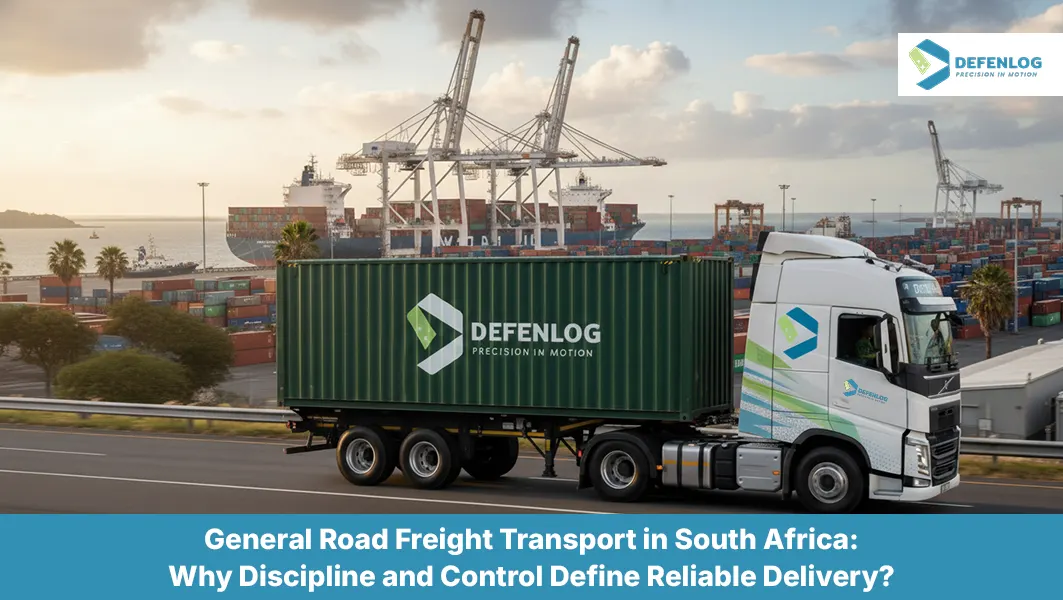
South Africa’s road freight network is the backbone of national distribution. From Gauteng’s industrial hubs to Durban’s port-driven corridors and Cape Town’s regional supply routes, cargo moves daily across thousands of kilometres.
However, businesses are facing several operational challenges:
- Unpredictable delivery timelines due to poor route planning
- Misaligned fleet allocation leading to delays or inefficiencies
- Limited communication between dispatch, drivers, and clients
- Lack of structured proof-of-delivery processes
- Exposure to disruptions across high-traffic logistics corridors
These challenges do not always result in immediate failures, but they create inconsistencies. And in logistics, inconsistency leads to operational risk.
Why General Road Freight Requires More than Just Vehicles?
Many companies assume that general transport is simply about moving cargo from point A to point B. In reality, dependable road freight requires structured execution at every stage of the movement.
A controlled road freight operation includes:
- Planned dispatch scheduling
- Defined route alignment
- Vehicle suitability based on cargo type
- Communication checkpoints throughout the journey
- Delivery confirmation and documentation
Without these elements, freight operations become reactive instead of controlled.
For businesses managing national distribution, this lack of control can impact customer commitments, inventory flow, and operational efficiency.
The Role of Discipline in Road Freight Operations
One of the most overlooked factors in general transport is operational discipline. It is not just about having resources, it is about how those resources are managed.
Disciplined road freight operations focus on:
Structured scheduling: Every movement is planned against delivery timelines and route conditions
Defined routing: Cargo follows mapped corridors instead of ad hoc decisions
Controlled dispatch: Vehicle allocation is aligned to cargo requirements
Accountable delivery: Each movement is tracked, confirmed, and documented
This level of discipline ensures that freight does not just move, it moves predictably.
Planned Route Strategy: The Foundation of Consistency
South Africa’s logistics environment includes long-distance routes, high-volume corridors, and region-specific challenges. Without route planning, even simple shipments can face delays.
A planned route strategy considers:
- Distance and transit time
- Traffic patterns and congestion zones
- Corridor-specific risks
- Delivery commitments and time windows
By aligning shipments to defined national routes, businesses can maintain schedule integrity and reduce variability in delivery performance.
Fleet Suitability: Matching the Right Vehicle to the Load
Not all cargo should be transported the same way. One of the common issues in general freight is mismatched fleet allocation.
This can lead to:
- Overloading or underutilization
- Increased transit risks
- Inefficient fuel and cost management
- Delays due to unsuitable vehicle deployment
A structured road freight partner ensures that:
- Vehicle type matches cargo profile
- Load size aligns with fleet capacity
- Distance and terrain are considered in allocation
This approach improves both safety and efficiency across transport operations.
Dispatch Control and Load Coordination
Behind every successful delivery is a well-coordinated dispatch process. Without structured allocation, even the best fleet cannot deliver consistent performance.
Effective dispatch control involves:
- Sequencing deliveries based on priority and route
- Balancing vehicle availability across regions
- Coordinating collection and delivery timelines
- Maintaining communication between operations and drivers
This ensures that cargo movement is synchronized rather than fragmented.
Movement Oversight and Delivery Confirmation
One of the biggest concerns for businesses is visibility. Once cargo leaves the warehouse or port, there is often limited clarity on its status.
A controlled road freight operation addresses this through:
- Communication checkpoints during transit
- Real-time updates between teams
- Structured proof-of-delivery processes
- Documented confirmation at final handover
This level of oversight builds trust and ensures accountability across the supply chain.
National Coverage: Connecting South Africa’s Supply Chain
General road freight plays a critical role in connecting South Africa’s economic zones. Reliable transport services must support movement across:
- Gauteng (industrial and distribution hub)
- KwaZulu-Natal (port and manufacturing corridor)
- Western Cape (regional and export-driven logistics)
A structured national network allows businesses to move cargo seamlessly across provinces, supporting both long-haul and regional distribution needs.
Compliance and Operational Responsibility
Even in general freight, compliance remains important. Vehicles must meet roadworthiness standards, drivers must operate under defined protocols, and operations must align with national transport regulations.
Key areas of responsibility include:
- Fleet maintenance and inspection to ensure reliability
- Regulatory compliance with South African transport laws
- Driver qualification and monitoring to maintain safety standards
- Delivery verification processes to ensure accountability
These elements are not just operational, they protect businesses from avoidable risks.
Why do Businesses Need a Structured Road Freight Partner?
As supply chains grow more complex, businesses can no longer rely on ad hoc transport solutions. Consistency, visibility, and control are now essential.
A dependable road freight partner provides:
- Predictable delivery performance
- Clear communication throughout the movement
- Structured planning and execution
- Reduced operational disruptions
- Accountability from collection to delivery
This is especially important for manufacturers, distributors, and freight forwarders managing large volumes of cargo across multiple regions.
Defenlog: Bringing Control to General Road Freight
Defenlog approaches general road freight with the same discipline applied to high-risk logistics. Instead of treating transport as a basic service, operations are structured around planning, coordination, and accountability.
By focusing on:
- Defined route planning
- Fleet suitability and allocation
- Controlled dispatch processes
- Movement oversight and delivery confirmation
Defenlog supports businesses with road freight solutions that are predictable, efficient, and aligned with operational requirements across South Africa.
Conclusion: Reliable Freight Starts with Controlled Execution
General road freight is often seen as routine, but reliable execution requires structured planning, disciplined coordination, and operational control at every stage.
For businesses operating across South Africa, the difference between delayed shipments and consistent delivery performance often comes down to the transport partner they choose.
If you are looking for a Specialized Road Transport Partner in South Africa who can support your commercial and industrial freight with structured planning and dependable execution, Defenlog is ready to support your operations.
Contact us today to discuss your road freight requirements and ensure your cargo moves with consistency, control, and confidence.